

Creatine HCl vs NutraBio | Creatine Caps | 50 Servings
// Ask SuppVault anything... █
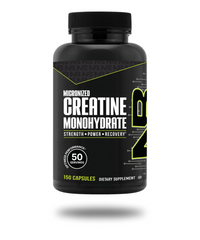
NutraBio | Creatine Caps | 50 Servings Is For
Lifters who want creatine without mixing powder
Busy athletes who need a travel-friendly option
NutraBio customers who prefer transparent, single-ingredient products
Beginners building a simple performance supplement routine
Vegetarian shoppers looking for capsule-based sports nutrition
Gym members who want easy daily supplement compliance
📱
Can't decide?
Text us your training style. We'll tell you which of these two is right for you.
Our Analysis
Creatine HCl vs Micronized: What We Actually Recommend After Testing Thousands of Tubs
Look, we’ve slammed more creatine than almost anyone. We’ve stocked it, used it, and watched what happens in the gym across years of customers and our own training. When it comes to Creatine HCl versus micronized creatine monohydrate, the real questions are absorption, stomach comfort, dosing, and value. Whether creatine works isn’t up for debate — monohydrate is still the most researched sports nutrition ingredient on the planet.
Here’s the straight answer: micronized creatine monohydrate is the better buy for most people. HCl has some practical advantages for a smaller group, but on clinical support, effective dosing, and cost per serving, micronized monohydrate wins.
How They Stack Up
| Feature | Creatine HCl | Micronized Creatine |
|---|---|---|
| Main ingredient | Creatine hydrochloride | Micronized creatine monohydrate |
| Typical dose | 1–2 grams daily | 3–5 grams daily |
| Clinical support | Limited compared to monohydrate | Extensive human research |
| Solubility | Very high | Improved vs standard monohydrate |
| Stomach comfort | Often easier for sensitive users | Usually well tolerated, but some users report bloating |
| Loading phase | Usually not required | Optional; 20 g/day for 5–7 days or just 3–5 g/day |
| Form | Powder, capsules, tablets | Powder, capsules, gummies in some cases |
| Price positioning | Premium | Budget-friendly to mid-range |
| Best for | Users wanting smaller servings and better mixability | Users wanting the most evidence-backed, cost-effective option |
The Ingredients Breakdown
Creatine HCl is creatine bound to hydrochloride. It dissolves extremely well and brands love to market the smaller dose. We get the appeal. But it’s still just creatine — and it doesn’t have anywhere near the depth of research that monohydrate does.
Micronized creatine is simply creatine monohydrate processed into smaller particles. That’s it. The finer grind cuts the grit and improves mixability, but it’s still the same monohydrate molecule that’s been proven for decades to increase strength, power output, training volume, and muscle creatine saturation.
Dosing Reality
HCl products typically recommend 750 mg to 2 grams per day, with most labels pushing 1.5–2 grams. They claim better solubility means you need less. We’ve heard the pitch a thousand times. The problem? Those lower doses don’t have the clinical backing that the standard 3–5 gram monohydrate dose does. Solubility is nice. Proven muscle saturation at effective doses matters more.
Micronized creatine monohydrate uses the doses that actually match the research: 3–5 grams daily for maintenance. Loading is optional — 20 grams per day split into 4 doses for 5–7 days, then drop to 3–5 grams. When a product gives you 5 grams of actual creatine monohydrate per serving, that’s the benchmark we trust.
Mixability and Form
HCl wins on convenience. Smaller serving, dissolves almost instantly, almost zero sediment, and it comes in capsules a lot. If you hate gritty shakes, we understand why you’d reach for it.
Micronized monohydrate is a massive upgrade over the old chunky stuff. It mixes way better, feels smoother in water or juice, and most people have zero issues with it. It doesn’t disappear like HCl does, but the difference isn’t big enough for most of us to justify paying double.
Price and Value
HCl is almost always sold at premium prices. You pay more per serving and way more per actual gram of creatine. They’re charging for the solubility, smaller scoop, and “no bloating” claims.
Micronized monohydrate is the value king. Cheap, available in massive tubs, and gives you months of clinically effective doses for the price of a tiny HCl container. When we look at cost per real, research-backed serving, micronized destroys it.
What Actually Matters
Research depth: Micronized monohydrate wins by a mile. The vast majority of studies on strength, power, sprint performance, lean mass, and muscle saturation used monohydrate. HCl might work, but we don’t have the same mountain of evidence. We’ll take the proven stuff.
Dose size: HCl lets you take 1–2 grams instead of 3–5. Convenient on paper. But smaller doesn’t automatically mean better. Clinical dosing beats convenience every time.
Stomach comfort: This is where HCl earns its keep. Some people get bloated or uncomfortable on monohydrate. HCl feels lighter for them. Most people tolerate micronized fine at 3–5 grams, but if monohydrate ever bothered you, HCl is a legitimate workaround.
Value: Paying more for creatine usually gets you less actual performance per dollar. Micronized gives you the most studied form, correct dosing, and the lowest cost. We’ve watched too many guys overpay for fancy creatine and get the same results.
Who Should Buy What
Buy Creatine HCl if:
- You want the smallest possible serving size
- You strongly prefer capsules
- You’ve had stomach issues with monohydrate
- Mixability and zero grit matter that much to you
- You’re willing to pay for convenience
It’s not the superior form of creatine, but it can be the better user experience for certain people.
Buy Micronized Creatine if:
- You want the most evidence-backed form
- You care about clinical dosing
- You want the creatine used in the majority of positive studies
- You’re price-conscious
- You just want a simple, effective 3–5 gram daily habit
For the average lifter, athlete, or consistent gym-goer, this is the one.
Our Final Verdict
Micronized creatine monohydrate wins for most people.
It has the stronger clinical backing, the proven 3–5 gram daily dose, dramatically better value, and good enough mixability and tolerance for the vast majority of users.
Creatine HCl isn’t bad. It has a real niche for people who need smaller servings, hate grit, or don’t tolerate monohydrate. But if we’re only recommending one to the majority of our customers? It’s micronized creatine monohydrate at 3–5 grams every day.
Bottom line:
- Best for research and value: Micronized creatine monohydrate
- Best for convenience and sensitive stomachs: Creatine HCl
- Overall winner: Micronized creatine
Don’t overcomplicate it. Get the micronized monohydrate, take it consistently, and train hard.
Look, we’ve slammed more creatine than almost anyone. We’ve stocked it, used it, and watched what happens in the gym across years of customers and our own training. When it comes to Creatine HCl versus micronized creatine monohydrate, the real questions are absorption, stomach comfort, dosing, and value. Whether creatine works isn’t up for debate — monohydrate is still the most researched sports nutrition ingredient on the planet.
Here’s the straight answer: micronized creatine monohydrate is the better buy for most people. HCl has some practical advantages for a smaller group, but on clinical support, effective dosing, and cost per serving, micronized monohydrate wins.
How They Stack Up
| Feature | Creatine HCl | Micronized Creatine |
|---|---|---|
| Main ingredient | Creatine hydrochloride | Micronized creatine monohydrate |
| Typical dose | 1–2 grams daily | 3–5 grams daily |
| Clinical support | Limited compared to monohydrate | Extensive human research |
| Solubility | Very high | Improved vs standard monohydrate |
| Stomach comfort | Often easier for sensitive users | Usually well tolerated, but some users report bloating |
| Loading phase | Usually not required | Optional; 20 g/day for 5–7 days or just 3–5 g/day |
| Form | Powder, capsules, tablets | Powder, capsules, gummies in some cases |
| Price positioning | Premium | Budget-friendly to mid-range |
| Best for | Users wanting smaller servings and better mixability | Users wanting the most evidence-backed, cost-effective option |
The Ingredients Breakdown
Creatine HCl is creatine bound to hydrochloride. It dissolves extremely well and brands love to market the smaller dose. We get the appeal. But it’s still just creatine — and it doesn’t have anywhere near the depth of research that monohydrate does.
Micronized creatine is simply creatine monohydrate processed into smaller particles. That’s it. The finer grind cuts the grit and improves mixability, but it’s still the same monohydrate molecule that’s been proven for decades to increase strength, power output, training volume, and muscle creatine saturation.
Dosing Reality
HCl products typically recommend 750 mg to 2 grams per day, with most labels pushing 1.5–2 grams. They claim better solubility means you need less. We’ve heard the pitch a thousand times. The problem? Those lower doses don’t have the clinical backing that the standard 3–5 gram monohydrate dose does. Solubility is nice. Proven muscle saturation at effective doses matters more.
Micronized creatine monohydrate uses the doses that actually match the research: 3–5 grams daily for maintenance. Loading is optional — 20 grams per day split into 4 doses for 5–7 days, then drop to 3–5 grams. When a product gives you 5 grams of actual creatine monohydrate per serving, that’s the benchmark we trust.
Mixability and Form
HCl wins on convenience. Smaller serving, dissolves almost instantly, almost zero sediment, and it comes in capsules a lot. If you hate gritty shakes, we understand why you’d reach for it.
Micronized monohydrate is a massive upgrade over the old chunky stuff. It mixes way better, feels smoother in water or juice, and most people have zero issues with it. It doesn’t disappear like HCl does, but the difference isn’t big enough for most of us to justify paying double.
Price and Value
HCl is almost always sold at premium prices. You pay more per serving and way more per actual gram of creatine. They’re charging for the solubility, smaller scoop, and “no bloating” claims.
Micronized monohydrate is the value king. Cheap, available in massive tubs, and gives you months of clinically effective doses for the price of a tiny HCl container. When we look at cost per real, research-backed serving, micronized destroys it.
What Actually Matters
Research depth: Micronized monohydrate wins by a mile. The vast majority of studies on strength, power, sprint performance, lean mass, and muscle saturation used monohydrate. HCl might work, but we don’t have the same mountain of evidence. We’ll take the proven stuff.
Dose size: HCl lets you take 1–2 grams instead of 3–5. Convenient on paper. But smaller doesn’t automatically mean better. Clinical dosing beats convenience every time.
Stomach comfort: This is where HCl earns its keep. Some people get bloated or uncomfortable on monohydrate. HCl feels lighter for them. Most people tolerate micronized fine at 3–5 grams, but if monohydrate ever bothered you, HCl is a legitimate workaround.
Value: Paying more for creatine usually gets you less actual performance per dollar. Micronized gives you the most studied form, correct dosing, and the lowest cost. We’ve watched too many guys overpay for fancy creatine and get the same results.
Who Should Buy What
Buy Creatine HCl if:
- You want the smallest possible serving size
- You strongly prefer capsules
- You’ve had stomach issues with monohydrate
- Mixability and zero grit matter that much to you
- You’re willing to pay for convenience
It’s not the superior form of creatine, but it can be the better user experience for certain people.
Buy Micronized Creatine if:
- You want the most evidence-backed form
- You care about clinical dosing
- You want the creatine used in the majority of positive studies
- You’re price-conscious
- You just want a simple, effective 3–5 gram daily habit
For the average lifter, athlete, or consistent gym-goer, this is the one.
Our Final Verdict
Micronized creatine monohydrate wins for most people.
It has the stronger clinical backing, the proven 3–5 gram daily dose, dramatically better value, and good enough mixability and tolerance for the vast majority of users.
Creatine HCl isn’t bad. It has a real niche for people who need smaller servings, hate grit, or don’t tolerate monohydrate. But if we’re only recommending one to the majority of our customers? It’s micronized creatine monohydrate at 3–5 grams every day.
Bottom line:
- Best for research and value: Micronized creatine monohydrate
- Best for convenience and sensitive stomachs: Creatine HCl
- Overall winner: Micronized creatine
Don’t overcomplicate it. Get the micronized monohydrate, take it consistently, and train hard.
