

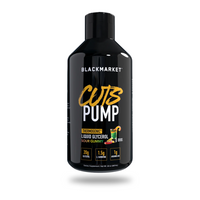
BlackMarket Labs | BML Cuts Pump | 60 Capsules vs creatine
// Ask SuppVault anything... █
BlackMarket Labs | BML Cuts Pump | 60 Capsules Is For
Bodybuilders and physique-focused lifters running moderate-to-high volume sessions who care about fullness, vascularity, and mind-muscle connection. The 20,000mg glycerol and 500mg pink Himalayan salt are designed to increase fluid retention and cell volumization, which can make muscles feel denser and look fuller as the workout progresses.
Evening trainees who want a stronger gym experience without gambling with sleep. Because this formula is stim-free, it delivers hydration and pump support without the caffeine load that can linger for hours and interfere with recovery.
Lifters who already use a pre-workout they like but know it is missing serious hydration support. Cuts Pump is easy to stack because its formula is focused on glycerol, electrolytes, and metabolic support rather than overlapping a long list of stimulants and nootropics.
Athletes training in hot environments or during long sessions where dehydration kills performance quality. Glycerol’s hyperhydration mechanism and the added salt make this a logical tool for maintaining plasma volume and delaying that dry, flat, overheated feeling.
Cutting-phase trainees who want to maintain training quality and visual fullness while calories are lower. The glycerol-driven water pump helps counter the flat look that often shows up in deficits, while 1,500mg L-carnitine supports energy metabolism.
Users sensitive to stimulants but still wanting a noticeable pre-workout effect. This formula offers a very tangible gym feel through hydration pressure and pump rather than relying on tingles, jitters, or a central nervous system surge.
Intermediate lifters who understand that not every useful workout supplement has to be an all-in-one pre-workout. This is a specialty add-on for pump and hydration, and it works best for people who appreciate targeted formulas over label clutter.
📱
Can't decide?
Text us your training style. We'll tell you which of these two is right for you.
Our Analysis
Liquid Glycerol vs Creatine: Our Real-World Take
We've tested thousands of products in this store, and when guys ask us about liquid glycerol versus creatine, we give them the same straight answer every time: they're not even playing the same game.
Creatine is the proven, versatile, high-value staple that actually moves the needle on strength, power, lean mass, and long-term performance. Liquid glycerol is a specialist tool for pumps, cell volumization, and acute hydration. Useful in its lane, but not even close to creatine's level.
Here's the no-fluff breakdown:
| Category | Liquid Glycerol | Creatine |
|---|---|---|
| Primary purpose | Hydration, cell volumization, and muscle pump | Strength, power output, training performance, and lean mass |
| Main ingredient | Glycerol (often liquid, sometimes blended) | Usually creatine monohydrate; sometimes HCl, nitrate, or blends |
| Typical effective dose | 10–30 g glycerol pre-workout for real hyperhydration effects | 3–5 g daily creatine monohydrate |
| Timing | Acute, right before training or events | Daily consistency beats perfect timing |
| Best for | Pump chasers, endurance hydration, acute fullness | Lifters, athletes, anyone serious about performance |
| Evidence quality | Moderate and context-specific | Extremely strong and consistent |
| Form issues | Liquids are often underdosed and hard to compare | Powdered monohydrate is cheap, stable, and clinically validated |
| Price positioning | Usually premium for what you actually get | One of the best values in sports nutrition |
| Clinical dosing clarity | Often inconsistent | Crystal clear: 3–5 g/day |
What We've Seen in the Products
Most liquid glycerol formulas are just glycerol (sometimes called vegetable glycerin) mixed with water, flavors, or other pump ingredients. The real problem? Labels are often garbage. If it doesn't clearly list grams of actual glycerol, we treat it as suspect. Many bottles deliver way less than the 10–30g needed for meaningful effects.
Creatine is simpler and better. We always tell people to stick with creatine monohydrate. It's the form used in the vast majority of studies showing real increases in strength, repeated high-intensity performance, lean mass gains, and muscle phosphocreatine stores. The other forms (HCl, nitrate, blends) are usually just more expensive versions of the same thing with weaker evidence.
Dosing Reality
Glycerol dosing is messy. Research and our experience with serious athletes shows you need 10–30 grams taken with a lot of water for proper hyperhydration and pump effects. Most products on the shelf give you a fraction of that. A couple grams might give you a slight full look, but it's not the real clinical dose.
Creatine is dead simple: 3–5 grams of monohydrate daily. Want to load? 20g per day for 5–7 days split into four doses, then drop to 3–5g. That's it. No mystery. When a product gives you 5g of actual monohydrate, it's hitting the target.
Form and Practicality
Liquid glycerol is convenient until you actually use it. It's sticky, bulky, harder to dose accurately, and usually more expensive per real serving. Some people love the immediate full look it gives in the gym. Fair enough. But it's not exactly practical.
Creatine powder (monohydrate) is still king. Cheap, accurate to dose, stable, and backed by mountains of research. Capsules work if you hate mixing powder, but you're paying more for the same 5 grams.
Price vs Performance
Here's where we get opinionated: most liquid glycerol products are overpriced for the actual glycerol you get. When you need 10–30g for real effects, a lot of these premium bottles become terrible value.
Creatine monohydrate is one of the smartest buys in the entire industry. You get a month's worth of effective dosing for pocket change. On return on investment, creatine absolutely smokes glycerol.
The Core Differences
Creatine works from the inside out by increasing phosphocreatine stores so you regenerate ATP faster. That means better heavy sets, more reps, higher training volume, and actual measurable gains over time.
Glycerol is an osmolyte. It pulls water into your muscles and helps with hyperhydration when taken with enough fluid. You get better pumps, a fuller look, and hydration support during long or hot sessions. It's an acute effect, not a foundational one.
The evidence gap is massive. Creatine is one of the most researched supplements ever with consistent, repeatable results. Glycerol has its uses, but the data is much narrower.
Who Should Buy What
Get liquid glycerol if:
- You already take creatine and want extra pump and fullness on top
- You train in heat or do long sessions where hydration matters
- You're chasing that acute "full" gym look
It's not for beginners, budget buyers, or anyone expecting it to build strength or muscle on its own.
Get creatine if:
- You want the single best performance supplement for nearly everyone
- You're lifting, playing sports, or trying to gain muscle
- You want something that actually delivers long-term results
This is our default recommendation for 90% of people who walk in the store.
Our Final Verdict
Creatine wins. Not even close for most people.
After testing thousands of products, creatine monohydrate at 3–5g daily is still one of the smartest things you can take. Better evidence, clearer dosing, lower cost, and real results on strength, power, and muscle.
Liquid glycerol isn't worthless. It has a legit spot for pumps and hydration when dosed properly (10–30g). But it's a specialist add-on, not a replacement for creatine.
Our practical advice:
- Make creatine your base
- Add glycerol only if you want that extra acute pump and fullness on specific days
- If you can only pick one, take creatine every single time
Bottom line: creatine is the smarter buy for nearly everyone.
We've tested thousands of products in this store, and when guys ask us about liquid glycerol versus creatine, we give them the same straight answer every time: they're not even playing the same game.
Creatine is the proven, versatile, high-value staple that actually moves the needle on strength, power, lean mass, and long-term performance. Liquid glycerol is a specialist tool for pumps, cell volumization, and acute hydration. Useful in its lane, but not even close to creatine's level.
Here's the no-fluff breakdown:
| Category | Liquid Glycerol | Creatine |
|---|---|---|
| Primary purpose | Hydration, cell volumization, and muscle pump | Strength, power output, training performance, and lean mass |
| Main ingredient | Glycerol (often liquid, sometimes blended) | Usually creatine monohydrate; sometimes HCl, nitrate, or blends |
| Typical effective dose | 10–30 g glycerol pre-workout for real hyperhydration effects | 3–5 g daily creatine monohydrate |
| Timing | Acute, right before training or events | Daily consistency beats perfect timing |
| Best for | Pump chasers, endurance hydration, acute fullness | Lifters, athletes, anyone serious about performance |
| Evidence quality | Moderate and context-specific | Extremely strong and consistent |
| Form issues | Liquids are often underdosed and hard to compare | Powdered monohydrate is cheap, stable, and clinically validated |
| Price positioning | Usually premium for what you actually get | One of the best values in sports nutrition |
| Clinical dosing clarity | Often inconsistent | Crystal clear: 3–5 g/day |
What We've Seen in the Products
Most liquid glycerol formulas are just glycerol (sometimes called vegetable glycerin) mixed with water, flavors, or other pump ingredients. The real problem? Labels are often garbage. If it doesn't clearly list grams of actual glycerol, we treat it as suspect. Many bottles deliver way less than the 10–30g needed for meaningful effects.
Creatine is simpler and better. We always tell people to stick with creatine monohydrate. It's the form used in the vast majority of studies showing real increases in strength, repeated high-intensity performance, lean mass gains, and muscle phosphocreatine stores. The other forms (HCl, nitrate, blends) are usually just more expensive versions of the same thing with weaker evidence.
Dosing Reality
Glycerol dosing is messy. Research and our experience with serious athletes shows you need 10–30 grams taken with a lot of water for proper hyperhydration and pump effects. Most products on the shelf give you a fraction of that. A couple grams might give you a slight full look, but it's not the real clinical dose.
Creatine is dead simple: 3–5 grams of monohydrate daily. Want to load? 20g per day for 5–7 days split into four doses, then drop to 3–5g. That's it. No mystery. When a product gives you 5g of actual monohydrate, it's hitting the target.
Form and Practicality
Liquid glycerol is convenient until you actually use it. It's sticky, bulky, harder to dose accurately, and usually more expensive per real serving. Some people love the immediate full look it gives in the gym. Fair enough. But it's not exactly practical.
Creatine powder (monohydrate) is still king. Cheap, accurate to dose, stable, and backed by mountains of research. Capsules work if you hate mixing powder, but you're paying more for the same 5 grams.
Price vs Performance
Here's where we get opinionated: most liquid glycerol products are overpriced for the actual glycerol you get. When you need 10–30g for real effects, a lot of these premium bottles become terrible value.
Creatine monohydrate is one of the smartest buys in the entire industry. You get a month's worth of effective dosing for pocket change. On return on investment, creatine absolutely smokes glycerol.
The Core Differences
Creatine works from the inside out by increasing phosphocreatine stores so you regenerate ATP faster. That means better heavy sets, more reps, higher training volume, and actual measurable gains over time.
Glycerol is an osmolyte. It pulls water into your muscles and helps with hyperhydration when taken with enough fluid. You get better pumps, a fuller look, and hydration support during long or hot sessions. It's an acute effect, not a foundational one.
The evidence gap is massive. Creatine is one of the most researched supplements ever with consistent, repeatable results. Glycerol has its uses, but the data is much narrower.
Who Should Buy What
Get liquid glycerol if:
- You already take creatine and want extra pump and fullness on top
- You train in heat or do long sessions where hydration matters
- You're chasing that acute "full" gym look
It's not for beginners, budget buyers, or anyone expecting it to build strength or muscle on its own.
Get creatine if:
- You want the single best performance supplement for nearly everyone
- You're lifting, playing sports, or trying to gain muscle
- You want something that actually delivers long-term results
This is our default recommendation for 90% of people who walk in the store.
Our Final Verdict
Creatine wins. Not even close for most people.
After testing thousands of products, creatine monohydrate at 3–5g daily is still one of the smartest things you can take. Better evidence, clearer dosing, lower cost, and real results on strength, power, and muscle.
Liquid glycerol isn't worthless. It has a legit spot for pumps and hydration when dosed properly (10–30g). But it's a specialist add-on, not a replacement for creatine.
Our practical advice:
- Make creatine your base
- Add glycerol only if you want that extra acute pump and fullness on specific days
- If you can only pick one, take creatine every single time
Bottom line: creatine is the smarter buy for nearly everyone.
