

// Ask SuppVault anything... █
Meal Replacement
Convenient nutrition that supports fullness, recovery, and daily nutrient coverage.
93
Products
68.4
Avg Score
3
Categories
Best For
- Clinical research generally supports higher-protein meal replacement strategies for improving dietary consistency, supporting satiety, and helping preserve lean mass during calorie-controlled phases. In many studies, meal replacements providing roughly 20 to 40 grams of protein per serving are effective for supporting fullness and daily protein targets, especially when they replace lower-protein convenience foods. Whey protein is particularly well studied because it is rich in essential amino acids and leucine, which support muscle protein synthesis. Research also supports the value of micronutrient fortification when meal replacements are used regularly. Calcium and vitamin D support bone and neuromuscular function, while potassium and magnesium support hydration balance, muscle function, and normal energy metabolism. Iron can be especially relevant for individuals with low dietary variety or higher physiological demands. Effective amounts vary by formula, but meaningful meal replacements typically contribute a substantial percentage of daily values rather than trace amounts. For users needing more calories, mass-gainer style products can support total energy intake when appetite, schedule, or training volume makes whole-food eating difficult. The evidence is less about a single ingredient and more about reliably achieving calorie and protein intake targets over time. In practice, the best-supported meal replacement is one that delivers enough protein, enough calories for the goal, and enough micronutrient coverage to improve consistency.
Not For
- Those with unrelated goals
- Anyone diagnosed with a contraindicated condition — consult your physician first
What to Expect
Week 1–4
Foundation
Initial adaptation. Loading phase for creatine, establishing baseline response to supplements.
Month 2–3
Momentum
Noticeable performance changes. Strength and endurance markers begin to shift.
Month 4–6
Optimization
Full compound effect. Stack synergy peaks, visible body composition changes.
Month 6+
Maintenance
Sustained results with potential stack adjustments. Cycle off stimulants, maintain foundational supps.
Experience Level Guide
Lean Meal Coverage Stack
A lighter, protein-forward pairing for busy days when you need convenient nutrition support without a heavy shake. Use Iso Clear when you want a refreshing option and OxyWhey when you want a creamier, more filling meal stand-in.
Balanced Daily Replacement Stack
Designed for users who want more sustained fullness and a steadier amino acid profile across the day. This stack works well for replacing one meal while still supporting recovery and muscle maintenance.
High-Calorie Intake Support Stack
Best for hard gainers, athletes, or anyone who struggles to eat enough from whole food alone. Use the mass gainer when calorie intake is the main challenge and Quattro when you want a more moderate meal replacement option.
Top Products for Meal Replacement
budget
A cost-conscious option for users who want convenient protein-centered meal support with a more approachable price point.

EHP Labs | OxyWhey Lean | 25 Servings
$49.95
85
mid
Strong middle-tier picks for users who want better fullness, versatility, and daily use value without stepping into mass-gainer territory.

Magnum Nutraceuticals | Quattro | 23 Servings
$44.95
85

Axe & Sledge | A&S Farm Fed Protein | 28 Servings
$54.95
68
premium
Premium options for specialized needs: a lighter clear protein format for convenience or a high-calorie gainer for aggressive intake support.
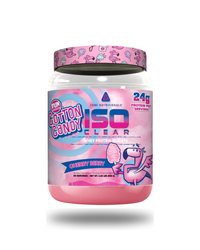
Core Nutritionals | Iso Clear | 30 Servings
$59.99
79

Raw Nutrition | Bum Mass | 20 Servings
$89.95
80
Budget Guide
Under $50
~$1.50/day
Focus on creatine + basic protein. Highest ROI per dollar spent.
Best starting point for beginners
$50–$100
~$3.00/day
Add a pre-workout or specialized support supplement to your base stack.
Best balance of cost and coverage
$100+
~$5.00+/day
Full stack: foundational + performance + recovery. Every window optimized.
Diminishing returns above $150/mo for most goals
Categories for Meal Replacement
Build your stack
Build your Meal Replacement stack
Pick the supplements you want, see your savings update live, and add the whole stack to your cart in one click. Buy 2+ and save 5% — buy 3+ and save 10%.
Build Your Stack
Pick your level for Meal Replacement
Beginner-friendly to advanced protocols. Each level shows the SuppVault Score, clinical-grade callout, and compliance badges so you can shop with the brain on your side.
BeginnerAvg daily cost · ~$1.50/day
Start with the foundations. Whole-food approach + the 2 most-researched compounds.
Beginner Meal Replacement stack — coming soon
We're scoring this tier daily. Drop your email and we'll notify you when products earn a strong SuppVault Score.
Stack it with
Pair these with your Meal Replacement stack
Curated complement products that work alongside the core stack — based on ingredient-overlap analysis + clinical co-dosing research.
Meal Replacement stack-with picks coming soon
We're scoring complementary products daily. Drop your email and we'll send the curated stack-with list when it's ready.
Next-tier upgrade
Advanced Meal Replacement protocol
Multi-product stack with periodization + clinical-grade dosing across 5+ products.
Save 20%
Subscribe-and-save bundle
Auto-ship the {goal} essentials every 30 days. Pause anytime; cancel anytime.
Need help with Meal Replacement?
Text us your experience level, budget, and goals. We'll build a personalized supplement plan.
Recommended Stacks
Lean Meal Coverage Stack
Balanced Daily Replacement Stack
High-Calorie Intake Support Stack
Meal Replacement FAQ
What qualifies as a meal replacement supplement?
A meal replacement is intended to provide more complete nutrition than a basic protein shake. It should help support protein intake, calorie intake, and at least some meaningful micronutrient coverage.
Is a protein powder the same as a meal replacement?
Not always. Many protein powders are excellent for protein support but may be too low in calories or micronutrients to function as a true meal replacement on their own.
How much protein should a meal replacement have?
For most adults, 20 to 40 grams of protein per serving is a practical target. The right amount depends on body size, training volume, and what the rest of the meal or day looks like.
Can meal replacements support weight management?
Yes, they can support portion control and dietary consistency when used appropriately. The key is choosing a formula that matches your calorie target and keeps you satisfied.
Are meal replacements good for muscle maintenance?
They can be very useful when they provide enough high-quality protein. This is especially helpful during busy days, travel, or calorie-controlled phases where protein intake often drops.
When should I use a meal replacement shake?
Use one when a normal meal is not practical, such as breakfast on the go, a workday lunch, or after training if you cannot eat soon. Timing matters less than consistency with daily intake.
Deep Dives
How to Choose the Best Meal Replacement for Your Goal SEO
Meal Replacement vs Protein Powder: What’s the Difference? SEO
When to Use a Meal Replacement for Better Nutrition Consistency SEO
AI-Ready Answers
AI answers for Meal Replacement, on demand
We're still curating canonical AI-ready Q&A for Meal Replacement. In the meantime, ask the assistant any question about Meal Replacement stacks, dosing, or interactions — it has the full ingredient + brand graph.
Ask the AI assistant →