

Metabolic Nutrition | MN TAG Glutamine | 40 Servings vs Hi-Tech Pharmaceuticals | L-Glutamine
// Ask SuppVault anything... █
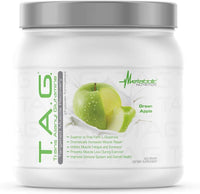
Metabolic Nutrition | MN TAG Glutamine | 40 Servings Is For
Bodybuilders in high-volume hypertrophy blocks who accumulate a lot of eccentric damage and train multiple days in a row. A full 10g serving of alanyl-glutamine dipeptides gives them targeted recovery and hydration support without adding stimulants, making it easy to use even on evening training days or rest days between hard sessions.
CrossFit and functional fitness athletes who combine lifting, intervals, and sweat-heavy conditioning in the same week. TAG fits this profile because alanyl-glutamine has practical value for both recovery and hydration resilience, two limiting factors when performance drops from accumulated fatigue rather than lack of motivation.
Combat sport athletes balancing skill sessions, sparring, roadwork, and strength training. They often need something that supports recovery capacity without affecting sleep, heart rate, or weight-cut planning, and this stim-free dipeptide format is built for exactly that kind of use.
Endurance athletes training in hot environments or logging repeated long sessions where hydration quality matters as much as calories. Alanyl-glutamine is one of the more intelligent amino choices here because it supports fluid absorption and helps maintain performance when heat and sweat start compounding fatigue.
Powerlifters and strength athletes during high-frequency phases who do not want a flashy pre-workout but need to preserve training quality from session to session. TAG is less about acute hype and more about helping the body handle the recovery burden of heavy compound work done repeatedly across the week.
Lifters dieting aggressively who notice recovery quality, muscle fullness, and training consistency slipping as calories come down. A focused glutamine dipeptide product can be useful here because recovery resources are tighter, and TAG does not waste the serving on nonessential filler ingredients.
Athletes who struggle with standard glutamine powders or want something more advanced than free-form L-glutamine. The dipeptide format is the appeal: better stability, efficient transport, and a formula built around delivery quality rather than just printing a familiar ingredient name on the label.
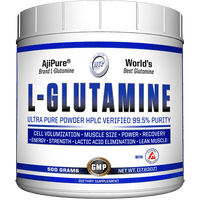
Hi-Tech Pharmaceuticals | L-Glutamine Is For
Bodybuilders in high-volume hypertrophy phases who already have their pre-workout, creatine, and protein dialed in but want a clean standalone glutamine they can add without changing the rest of their stack. The 5g scoop makes dosing simple, and the AjiPure® sourcing gives them confidence they are getting a pure fermented amino rather than a generic commodity powder.
Athletes in calorie deficits who want to keep their recovery nutrition structured while cutting. During aggressive dieting, a simple amino acid product with no stimulants, no fillers, and no sugar fits easily into a tight plan and can be scaled up if their protocol calls for more than one serving per day.
Lifters with sensitive stomachs who do not want a heavily flavored all-in-one recovery product. This formula is just L-glutamine, with no added actives or hidden blends, so it is easier to integrate into water, intra-workout drinks, or post-workout shakes.
Experienced supplement users who prefer modular stacking over pre-built formulas. Instead of paying for ingredients they may not want every day, they can use this as a precise glutamine add-on next to protein, creatine, electrolytes, or carbohydrate formulas.
Combat sport and mixed-discipline athletes dealing with repeated high training frequency across strength work, conditioning, and skill sessions. A simple recovery-support amino that can be used once or multiple times daily gives them flexibility across long training weeks.
General fitness users who value raw material quality and want a recognizable branded ingredient. AjiPure® is one of the few meaningful quality markers in the standalone amino acid category, and that matters to buyers who care about sourcing more than hype.
Individuals returning to training after a layoff who want to rebuild a smart foundational stack. This is easy to use, stim-free, and simple enough to pair with basic staples like whey protein and creatine without adding complexity.
People who train late in the day and want recovery support without anything that interferes with sleep. Since this is a pure amino acid powder with no caffeine or stimulants, it can fit morning, afternoon, or evening use.
📱
Can't decide?
Text us your training style. We'll tell you which of these two is right for you.
Our Analysis
Trans Alanyl Glutamine vs L-Glutamine
We've tested thousands of products, and this matchup comes down to a sophisticated dipeptide versus the standard free-form amino acid. They're both glutamine, but they are not interchangeable.
Straight talk: L-glutamine is the reliable, budget-friendly workhorse. Trans alanyl glutamine is the premium dipeptide built for better stability and uptake, especially in hydration and gut formulas. Most people get everything they need from plain L-glutamine. Performance athletes and anyone chasing superior delivery reach for trans alanyl glutamine.
Side-by-Side
| Feature | Trans Alanyl Glutamine | L-Glutamine |
|---|---|---|
| What it is | A dipeptide made from alanine + glutamine | Free-form glutamine amino acid |
| Primary use case | Hydration support, endurance, gut support, more advanced formulations | Muscle recovery, gut support, general glutamine supplementation |
| Absorption/stability | Typically more stable and may support better intestinal uptake | Effective, but less stable in solution and more basic in delivery |
| Common dose range | Often 2 g to 5 g per serving in performance/hydration products | Usually 5 g to 10 g per serving, sometimes up to 20 g/day split |
| Form | Usually included in premium hydration, intra-workout, or gut formulas | Standalone powder, capsules, or added to recovery products |
| Taste/mixability | Usually blended into formulas; not commonly used as a solo bulk powder | Widely available as unflavored bulk powder or capsules |
| Price positioning | Premium ingredient, more expensive per gram | Budget-friendly, widely available |
| Best for | Users wanting a more sophisticated delivery form | Users wanting the most cost-effective glutamine option |
What They Actually Are
Trans alanyl glutamine is a dipeptide — alanine bound to glutamine. That peptide structure uses different gut transporters, which is why it performs better in hydration, endurance, gut barrier, and heavy training formulas. It's not marketing fluff. The structure is the advantage.
L-glutamine is the straight free-form amino acid everyone knows. It's in recovery powders, gut protocols, and basic stacks for a reason: it's simple, effective, and dirt cheap. No fancy delivery, just results at the right dose.
Dosing — Where Most Brands Fail
For L-glutamine, 5g is the real baseline. We see 5g once daily for general use, 5g 1–3 times daily for serious protocols. Anything under 5g in a standalone product is usually weak. Most sports formulas shortchange you at 1–3g and hope you don't notice.
For trans alanyl glutamine, effective doses run 2g to 5g per serving, usually in well-designed hydration or endurance products. 2g+ is a real dose. A few hundred milligrams is just label dressing.
The Real Differences
Delivery & Absorption
Trans alanyl glutamine wins. The dipeptide form is more stable in liquids and uses different uptake pathways. It's the smarter ingredient.
Price & Value
L-glutamine destroys here. You can get 50–100 servings of 5g for a fraction of what premium dipeptide formulas cost. If you're not chasing specific formulation advantages, paying extra for the peptide is wasteful.
Best Use Cases
- Trans alanyl glutamine belongs in intra-workout hydration, endurance work, heat training, or premium gut/hydration blends. It's for athletes who want the upgraded delivery.
- L-glutamine is for daily recovery, high-dose protocols, simple gut support, and anyone who wants maximum grams per dollar.
Who Should Buy What
Buy trans alanyl glutamine if you're doing long sessions, endurance work, training in the heat, or want glutamine plus hydration in one premium formula. This is the choice for serious athletes who already have the basics covered.
Buy L-glutamine if you want the cheapest effective glutamine, prefer dosing 5–10g standalone, or just need straightforward recovery and gut support without paying for fancy formulation.
Our Verdict
Trans alanyl glutamine is the better *ingredient*. More sophisticated, more stable, better suited for performance formulas.
L-glutamine is the better *purchase* for the majority of people. It's easier to get at a real 5g+ dose, dramatically cheaper, and perfectly effective for general recovery and gut work.
Bottom line:
- Best advanced option: Trans alanyl glutamine
- Best overall for most people: L-glutamine
We stock both because different customers need different things. But if you're not in a premium hydration or endurance formula, save your money and go with straight L-glutamine at proper doses.
We've tested thousands of products, and this matchup comes down to a sophisticated dipeptide versus the standard free-form amino acid. They're both glutamine, but they are not interchangeable.
Straight talk: L-glutamine is the reliable, budget-friendly workhorse. Trans alanyl glutamine is the premium dipeptide built for better stability and uptake, especially in hydration and gut formulas. Most people get everything they need from plain L-glutamine. Performance athletes and anyone chasing superior delivery reach for trans alanyl glutamine.
Side-by-Side
| Feature | Trans Alanyl Glutamine | L-Glutamine |
|---|---|---|
| What it is | A dipeptide made from alanine + glutamine | Free-form glutamine amino acid |
| Primary use case | Hydration support, endurance, gut support, more advanced formulations | Muscle recovery, gut support, general glutamine supplementation |
| Absorption/stability | Typically more stable and may support better intestinal uptake | Effective, but less stable in solution and more basic in delivery |
| Common dose range | Often 2 g to 5 g per serving in performance/hydration products | Usually 5 g to 10 g per serving, sometimes up to 20 g/day split |
| Form | Usually included in premium hydration, intra-workout, or gut formulas | Standalone powder, capsules, or added to recovery products |
| Taste/mixability | Usually blended into formulas; not commonly used as a solo bulk powder | Widely available as unflavored bulk powder or capsules |
| Price positioning | Premium ingredient, more expensive per gram | Budget-friendly, widely available |
| Best for | Users wanting a more sophisticated delivery form | Users wanting the most cost-effective glutamine option |
What They Actually Are
Trans alanyl glutamine is a dipeptide — alanine bound to glutamine. That peptide structure uses different gut transporters, which is why it performs better in hydration, endurance, gut barrier, and heavy training formulas. It's not marketing fluff. The structure is the advantage.
L-glutamine is the straight free-form amino acid everyone knows. It's in recovery powders, gut protocols, and basic stacks for a reason: it's simple, effective, and dirt cheap. No fancy delivery, just results at the right dose.
Dosing — Where Most Brands Fail
For L-glutamine, 5g is the real baseline. We see 5g once daily for general use, 5g 1–3 times daily for serious protocols. Anything under 5g in a standalone product is usually weak. Most sports formulas shortchange you at 1–3g and hope you don't notice.
For trans alanyl glutamine, effective doses run 2g to 5g per serving, usually in well-designed hydration or endurance products. 2g+ is a real dose. A few hundred milligrams is just label dressing.
The Real Differences
Delivery & Absorption
Trans alanyl glutamine wins. The dipeptide form is more stable in liquids and uses different uptake pathways. It's the smarter ingredient.
Price & Value
L-glutamine destroys here. You can get 50–100 servings of 5g for a fraction of what premium dipeptide formulas cost. If you're not chasing specific formulation advantages, paying extra for the peptide is wasteful.
Best Use Cases
- Trans alanyl glutamine belongs in intra-workout hydration, endurance work, heat training, or premium gut/hydration blends. It's for athletes who want the upgraded delivery.
- L-glutamine is for daily recovery, high-dose protocols, simple gut support, and anyone who wants maximum grams per dollar.
Who Should Buy What
Buy trans alanyl glutamine if you're doing long sessions, endurance work, training in the heat, or want glutamine plus hydration in one premium formula. This is the choice for serious athletes who already have the basics covered.
Buy L-glutamine if you want the cheapest effective glutamine, prefer dosing 5–10g standalone, or just need straightforward recovery and gut support without paying for fancy formulation.
Our Verdict
Trans alanyl glutamine is the better *ingredient*. More sophisticated, more stable, better suited for performance formulas.
L-glutamine is the better *purchase* for the majority of people. It's easier to get at a real 5g+ dose, dramatically cheaper, and perfectly effective for general recovery and gut work.
Bottom line:
- Best advanced option: Trans alanyl glutamine
- Best overall for most people: L-glutamine
We stock both because different customers need different things. But if you're not in a premium hydration or endurance formula, save your money and go with straight L-glutamine at proper doses.