

This product
 Hi-Tech Pharmaceuticals | Pain-Rx | 45 TabletsHi-Tech Pharmaceuticals
- SuppVault Score
- 97/100
- Per serving
- $0.24
Key actives
Tested

Hi-Tech Pharmaceuticals
Multi-herb pain support with salicin, boswellia, and calming botanicals
$10.95 $39.95$0.24/serving SuppVault Summary
Hi-Tech Pain-Rx is a multi-botanical joint and discomfort-support formula built for broad pathway coverage. It combines 12 active ingredients in a 600 mg proprietary blend and uses Explotab technology to promote fast tablet disintegration.
Hi-Tech Pharmaceuticals publishes test results from independent third-party labs. Svpplements links to the manufacturer’s data — we don’t test products ourselves.
Discount applied automatically in cart.


Omega-3s complement Pain-Rx well because EPA and DHA support inflammatory balance through different lipid mediator pathways than boswellia, turmeric, and white willow. This creates a more complete approach for users focused on joint comfort and day-to-day mobility support.
Take daily with meals; can be used alongside Pain-Rx.
Pain-Rx gives you broad herbal coverage, but its biggest weakness is hidden dosing. Pairing it with a fully disclosed curcumin or boswellia product can anchor the stack with at least one clinically targetable anti-inflammatory ingredient.
Take the transparent joint product with food; use Pain-Rx based on comfort needs.
Pain-Rx is more about symptom and inflammatory support than connective tissue building blocks. Collagen adds structural support for tendons, ligaments, cartilage, and other connective tissues that are not directly addressed by this herbal blend.
Take collagen any time of day, ideally daily for consistency.
If discomfort is tied to tightness, poor relaxation, or sleep quality, magnesium glycinate pairs naturally with the valerian and wild lettuce side of Pain-Rx. It supports neuromuscular relaxation without adding stimulant burden.
Best taken in the evening or away from your busiest work period if relaxation is the goal.
For active users, creatine helps the output side of training while Pain-Rx targets the wear-and-tear side. That is a useful split: one product supports ATP regeneration and performance, the other supports comfort and recovery perception.
Take creatine daily at any convenient time; Pain-Rx can be used separately as needed.
Joint-Rx is likely the better pick if you want a more classic joint-support positioning over broad discomfort support.
Fish oil offers simpler daily inflammatory support with better long-term transparency than a fully proprietary herbal blend.
NutraBio has the edge for label transparency and likely more clinically targeted curcumin dosing.
Pain-Rx has the edge if you prefer a broader multi-herb formula with both comfort and calming support.
Side-by-side against the closest competitors. Score reflects clinical dosing, transparency, and testing.
Hi-Tech Pharmaceuticals | Pain-Rx | 45 TabletsHi-Tech Pharmaceuticals
 Hi-Tech Pharmaceuticals | Joint-RxHi-Tech Pharmaceuticals
Joint-Rx is likely the better pick if you want a more classic joint-support positioning over broad discomfort support.
Compare side-by-side → Hi-Tech Pharmaceuticals | Fish Oil | 90 SoftgelsHi-Tech Pharmaceuticals
Fish oil offers simpler daily inflammatory support with better long-term transparency than a fully proprietary herbal blend.
Compare side-by-side → NutraBio | Curcumin Adv | 30 ServingsNutraBio
NutraBio has the edge for label transparency and likely more clinically targeted curcumin dosing.
Compare side-by-side →Comparison data combines live storefront pricing with our SuppVault analysis. Competitor scores reflect public-label data; manufacturer-side changes may not be reflected in real time.
Hi-Tech Pharmaceuticals Pain-Rx is a multi-botanical discomfort-support formula built around a broad-spectrum herbal strategy rather than a single mega-dosed active. The idea is straightforward: combine several traditional analgesic, anti-inflammatory, and calming plant extracts into one tablet system, then use Explotab technology to promote rapid tablet disintegration. On paper, that sounds appealing for users who want a more diversified formula than standalone turmeric or boswellia. The main limitation is equally clear: all 12 actives are packed into a 600 mg proprietary blend, so individual ingredient doses are not disclosed and cannot be validated against published human research ranges.
The strongest evidence-backed ingredient here is White Willow standardized to 90% salicin. Salicin is a classic botanical precursor associated with analgesic effects through salicylate-related pathways, and white willow has been studied for back discomfort and musculoskeletal pain support. The catch is dose: clinical white willow protocols usually disclose total salicin intake, often far higher than what a crowded 600 mg blend can realistically supply. Boswellia extract is another meaningful inclusion because boswellic acids are known to influence 5-lipoxygenase activity and inflammatory signaling, making boswellia a legitimate joint and comfort ingredient when properly dosed. Turmeric extract also belongs in that conversation, with curcuminoids supporting NF-kB and COX-related inflammatory pathways, but turmeric research is heavily dose- and bioavailability-dependent. Without a stated curcuminoid yield or a delivery-enhanced form, expectations should stay measured.
Phellodendron amurense bark contributes isoquinoline alkaloids such as berberine-related compounds and has a history of use in inflammatory and stress-related formulas. Valerian and Lactuca virosa likely serve the formula’s “take the edge off” side by supporting relaxation and reducing perceived tension, which can matter when discomfort is amplified by muscle guarding or poor sleep quality. Mimosa pudica, Chiococca alba, and Paulownia tomentosa are more uncommon in mainstream sports nutrition and pain-support products; they bring ethnobotanical and traditional-use interest, but they are not the ingredients carrying the strongest modern dose-validated evidence in this formula.
Naringen and 6,7-dihydroxybergamottin are especially notable because they are often used as bioavailability or metabolic-modulation compounds. Both are associated with effects on drug-metabolizing enzymes, which may alter the disposition of other compounds. That may be part of the formulator’s absorption strategy, but it also raises a real interaction flag for medications. Yerba mate rounds the formula out with low-level methylxanthine stimulation and polyphenols, which can slightly offset the flattened feeling some calming herbs create, but total caffeine is not disclosed.
As a system, Pain-Rx appears designed to hit discomfort from multiple angles: inflammatory signaling, botanical analgesia, nervous-system calming, and absorption support. The downside is transparency. This is a proprietary blend in a category where dose matters enormously. Since the entire blend is only 600 mg for 12 ingredients, several ingredients are almost certainly below the doses used in stronger human evidence. Day 1, most users will judge this by whether it takes the edge off tension and minor aches within a few hours. Over 2-4 weeks, if it works for the individual, the value is more likely to show up as steadier day-to-day comfort support than a dramatic acute effect. This is a formula with an interesting ingredient story, but one that requires honest expectations because the label does not let you verify clinical dosing.
White willow provides salicin, a salicylate precursor that contributes to discomfort modulation through prostaglandin-related pathways after metabolic conversion. Its relevance in musculoskeletal support comes from the long historical use of willow-derived compounds for pain-like symptoms. Standardization to 90% salicin makes the ingredient more pharmacologically meaningful than generic bark powder, but dose still determines effect size. In proprietary blends, the main scientific limitation is inability to verify whether salicin exposure reaches useful levels.
Boswellia extracts are primarily valued for boswellic acids, which can influence inflammatory signaling, especially leukotriene-related pathways. This gives boswellia a mechanistic niche distinct from simple antioxidant herbs and partly explains its popularity in mobility formulas. Clinically, it is most relevant for stiffness, joint comfort, and movement quality when standardized and adequately dosed. With hidden dosing, the ingredient remains promising but not fully assessable.
Turmeric extract is commonly included for curcuminoid-driven support of inflammatory balance, oxidative stress control, and downstream comfort signaling. Its best-known mechanisms involve modulation of transcription factors and inflammatory enzymes that influence tissue irritation and soreness perception. However, turmeric efficacy depends heavily on extract quality, dose, and bioavailability strategy. In this formula, naringin and 6,7-dihydroxybergamottin may be intended to influence exposure, though this also raises interaction considerations.
Valerian and Lactuca virosa do not primarily act as structural joint ingredients, but they may alter how tension, restlessness, and discomfort are perceived. This matters because pain experience is partly shaped by central nervous system tone, not only peripheral inflammation. A formula that combines anti-inflammatory botanicals with calming agents can feel more comprehensive to some users, especially later in the day. The tradeoff is that some users may find the relaxation component mismatched for situations requiring sharper alertness.
Verified athletes can view NCAA, WADA, and high-school compliance status for this product.
* These statements have not been evaluated by the Food and Drug Administration. This product is not intended to diagnose, treat, cure, or prevent any disease. Consult your physician before use if you have a medical condition or take medications.
Drop your number and our team will instantly text you.
Our team is on it. Check your texts — real advice, real fast.
 70
70
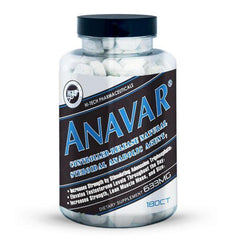 64
64
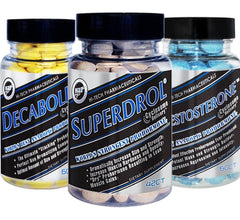 97
97
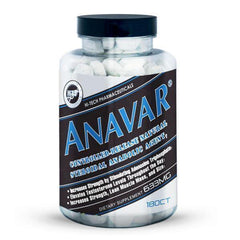 64
64
 68
68
 77
77
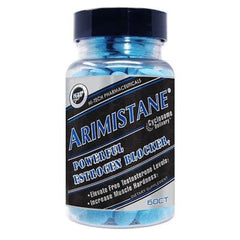 95
95
 83
83
 87
87
 58
58
 90
90
 53
70
53
70
 64
97
64
97
 69
64
69
64
 87
87
Secure sign in
Svpplements uses Shopify Customer Accounts for protected login, order history, and account data.