This product
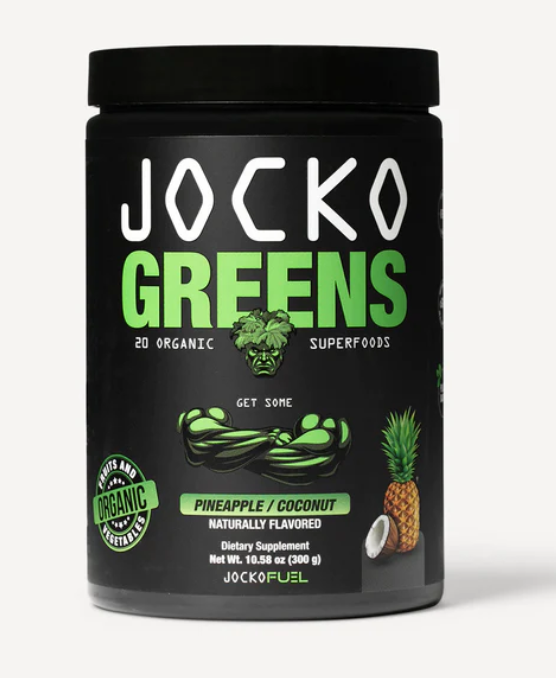
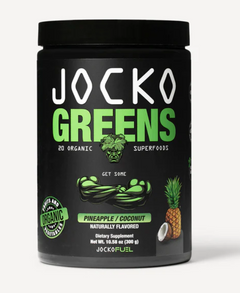 Jocko Fuel | Greens | 30 ServingsJocko Fuel
- SuppVault Score
- 66/100
- Per serving
- $1.67
Key actives
Tested
Jocko Fuel
Broad-spectrum greens and fruits with transparent everyday wellness support
$29.99 $54.99$0.99/serving SuppVault Summary
Jocko Greens is a daily wellness greens powder focused on convenience, coverage, and routine adherence. It delivers a 5,400mg vegetable blend plus a 3,600mg fruit blend with light adaptogen support. Best for filling plant-intake gaps, not chasing a high-performance clinical endpoint.
Jocko Fuel publishes test results from independent third-party labs. Svpplements links to the manufacturer’s data — we don’t test products ourselves.
Discount applied automatically in cart.


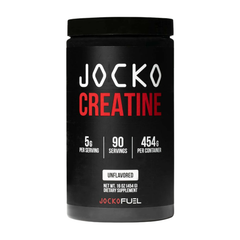
Jocko Greens covers daily plant intake and general wellness support, but it does not provide a clinically dosed ergogenic ingredient. Adding standalone creatine monohydrate fills that gap by supporting phosphocreatine replenishment, high-intensity performance, and muscle recovery without overlapping the greens formula.
Take daily at any time; with Jocko Greens in the morning is fine for convenience.
This product is not a meal replacement and does not supply meaningful protein. Pairing it with a high-quality protein powder helps cover both micronutrient diversity from the greens and amino acid needs for muscle repair, satiety, and body-composition support.
Use Jocko Greens in the morning or with breakfast; use protein around meals or post-workout based on your routine.
Greens powders improve plant-compound coverage, while omega-3s address a completely different nutritional lane: membrane health, inflammatory balance, and cardiovascular support. Together they create a more complete daily wellness stack than either alone.
Take fish oil with a meal containing fat; Jocko Greens can be taken alongside breakfast.
Jocko Greens is best viewed as a phytonutrient and greens formula, not a full-spectrum vitamin-mineral replacement. A quality multivitamin helps cover foundational micronutrients while Jocko Greens adds plant diversity and antioxidant support on top.
Take both with breakfast if your stomach tolerates it well.
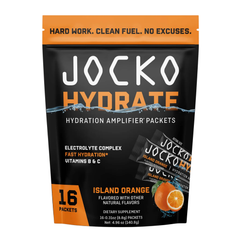
Jocko Greens helps with daily nutrition quality, but it is not built around sodium, potassium, and magnesium dosing for sweat loss. Adding a dedicated electrolyte product is especially useful for athletes, hot-climate training, and low-carb users who need more hydration support than a greens powder can provide.
Use electrolytes around training; use Jocko Greens separately as a daily wellness anchor.
Both are daily wellness greens aimed at convenient plant intake rather than high-end clinical dosing.
Revive typically edges out on formula sophistication and category reputation for comprehensive daily greens.
RYSE has a stronger market position and often wins on flavor and broad consumer appeal.
Jocko Greens has stronger brand trust and a more mainstream daily-use wellness positioning.
Side-by-side against the closest competitors. Score reflects clinical dosing, transparency, and testing.
Jocko Fuel | Greens | 30 ServingsJocko Fuel
 Alani Nu | Super Greens | 30 ServingsAlani Nu
Both are daily wellness greens aimed at convenient plant intake rather than high-end clinical dosing.
Compare side-by-side → Revive | Daily Greens | 20 ServingsRevive
Revive typically edges out on formula sophistication and category reputation for comprehensive daily greens.
Compare side-by-side → RYSE | Loaded Greens | 30 ServingsRYSE
RYSE has a stronger market position and often wins on flavor and broad consumer appeal.
Compare side-by-side →Comparison data combines live storefront pricing with our SuppVault analysis. Competitor scores reflect public-label data; manufacturer-side changes may not be reflected in real time.
Jocko Greens is a daily greens formula built around breadth, convenience, and habit formation rather than a narrow clinical-dose performance target. The strategy is straightforward: combine a 5,400mg vegetable blend with a 3,600mg fruit blend, add small amounts of adaptogens, and deliver a plant-based powder that helps bridge the gap between how people want to eat and how they actually eat on busy days. In category terms, this is a general wellness greens product first, not a clinically dosed ergogenic or adaptogen formula.
The backbone of the formula is the vegetable blend. Spirulina leads at 1,170mg. That matters because spirulina is one of the better-studied “superfood” ingredients, with more than 46 clinical trials and multiple meta-analyses supporting benefits for antioxidant status, immune modulation, liver enzymes, allergic rhinitis symptoms, and aspects of metabolic health. Mechanistically, its phycocyanin content helps reduce oxidative stress and inflammatory signaling. The limitation is dose: the stronger human literature is typically in the 4-10g range, so 1.17g is useful as part of a broader greens matrix but below the standalone clinical range.
Kale and spinach are each included at 900mg. That gives meaningful exposure to carotenoids, vitamin-rich plant compounds, and in spinach’s case, naturally occurring nitrates and thylakoid-associated compounds. Kale’s more robust intake targets are usually closer to 1.8-2.25g, so 900mg is a respectable inclusion but not a full clinical comparator. Spinach sits closer to a useful range based on available supplemental data, especially for general wellness support. Beets at 360mg are a smart inclusion from a formulation logic standpoint because beetroot contributes nitrate-related blood flow support and betalain antioxidants, but this is far below the nitrate yield used in performance studies. Broccoli sprout, cabbage, carrots, oat grass, wheat grass, and sweet potato expand the phytonutrient profile, but most are present as supporting players rather than primary drivers.
The 3,600mg fruit blend brings banana and pineapple at 1,080mg each, followed by apple, grape, goji, pomegranate, acai, blueberry, and cranberry extract. Here the value is diversity of polyphenols, fruit-derived antioxidants, and a more drinkable flavor profile. Banana also contributes some prebiotic and GI-friendly functionality, though it is well below the 11g banana flake intake seen in medical-nutrition applications. In practice, this blend is best viewed as a broad-spectrum phytonutrient assist, not a replacement for whole-fruit servings.
The adaptogen section is where transparency matters most. Rhodiola root extract is 50mg and KSM-66® is 50mg. KSM-66® is a premium, trademarked root extract from Ixoreal Biomed and one of the most respected ashwagandha forms on the market, but 50mg is far below the 300-600mg range used in most stress, strength, and recovery studies. Rhodiola is similarly underdosed versus common effective ranges. So while these inclusions add label quality and some theoretical support, they should not be the reason you buy the product.
Synergy-wise, the formula works as a layered micronutrient and phytonutrient intake: greens for chlorophyll-rich plant compounds and carotenoids, crucifers for glucosinolate exposure, beet and spinach for light nitrate support, fruit powders for polyphenols, and small adaptogen additions for all-around resilience. The transparency assessment is mixed. Individual sub-ingredients are listed, which is better than many greens products, but the product still uses blend structures, so you cannot fully benchmark every plant against literature without the exact breakout for all components beyond what is provided.
What should you expect? On day 1, the benefit is mostly practical: an easy serving of concentrated greens and fruits that can help you feel more on track nutritionally. Over 2-4 weeks of consistent use, most people notice the value in routine, digestive regularity, and the general “I’m covering my bases” effect more than a dramatic acute sensation. This is a daily wellness formula, not a high-impact clinical intervention.
Spirulina is rich in phycocyanin, a pigment-protein complex with documented antioxidant and immunomodulatory activity. Mechanistically, phycocyanin can influence redox balance by reducing reactive oxygen species burden and modulating inflammatory signaling pathways such as NF-kB. Spirulina also contributes carotenoids, minerals, and protein-bound bioactives that support broader metabolic resilience. In a greens formula, it functions as one of the more evidence-backed whole-food inclusions.
Spinach provides a dense matrix of carotenoids, folate, polyphenols, and naturally occurring nitrates. Dietary nitrates can be reduced to nitrite and subsequently nitric oxide, supporting endothelial signaling and vascular function under appropriate conditions. Beyond nitrate biology, spinach contributes antioxidant compounds that may support cellular stress management. Its role here is supportive rather than fully ergogenic at this dose.
Beet-derived compounds are best known for nitrate-mediated effects on nitric oxide production, which can improve vascular tone and exercise efficiency when nitrate intake is sufficiently high. The enterosalivary nitrate-nitrite-NO pathway is the key mechanism, relying on oral bacterial reduction before systemic conversion. In mixed greens formulas, beet often contributes more to category breadth and daily wellness positioning than to full standalone performance effects. Dose context matters because clinically ergogenic nitrate targets are much higher than simple beet powder inclusions.
Rhodiola rosea and ashwagandha are adaptogenic botanicals studied for their influence on stress resilience, fatigue perception, and neuroendocrine signaling. Rhodiola is often associated with modulation of stress-related neurotransmission and perceived exertion, while ashwagandha is linked to HPA-axis support and reductions in stress markers in some trials. In this formula, both are included at light support doses rather than dedicated clinical-dose adaptogen levels. Their primary value is rounding out the wellness profile rather than driving the product's core identity.
Verified athletes can view NCAA, WADA, and high-school compliance status for this product.
* These statements have not been evaluated by the Food and Drug Administration. This product is not intended to diagnose, treat, cure, or prevent any disease. Consult your physician before use if you have a medical condition or take medications.
Drop your number and our team will instantly text you.
Our team is on it. Check your texts — real advice, real fast.
 70
70
 64
64
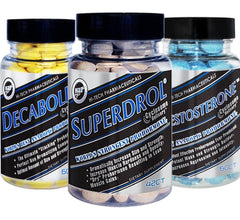 97
97
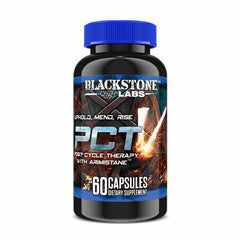 69
69
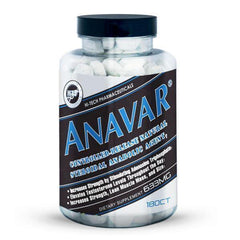 64
64
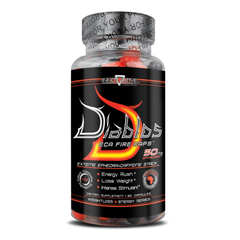 87
87
Higher-scoring formulas the brain ranks above this product.
Secure sign in
Svpplements uses Shopify Customer Accounts for protected login, order history, and account data.