

This product
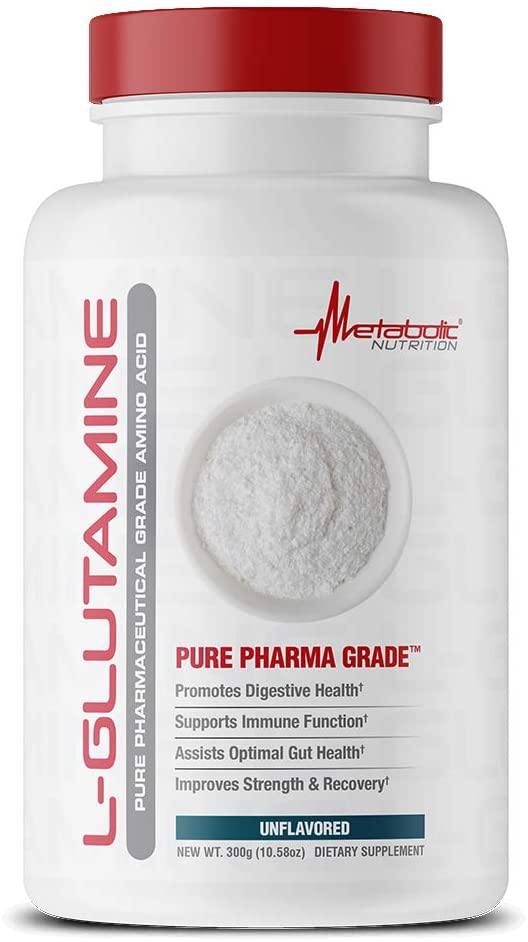
 Metabolic Nutrition | GlutamineMetabolic Nutrition
- SuppVault Score
- 66/100
Metabolic Nutrition
5g Pure L-Glutamine for Gut, Immune, and Recovery Support
$14.99 $19.99
Score reflects incomplete data — label not yet scanned. Not a quality judgment.
SuppVault Summary
Pure 5g L-Glutamine with full label transparency. Best used for gut, immune, and recovery support during high-stress training phases—not as a standalone muscle-building shortcut.
Metabolic Nutrition publishes test results from independent third-party labs. Svpplements links to the manufacturer’s data — we don’t test products ourselves.
Discount applied automatically in cart.


Creatine supports high-intensity performance and phosphocreatine replenishment, while glutamine supports recovery physiology in gut and immune-demand tissues. Together they create a more complete recovery and performance base without overlapping mechanisms.
Take creatine daily anytime; take glutamine post-workout or between meals

EAAs cover essential amino acids for muscle protein synthesis, while glutamine adds support for gut and immune-demand recovery. This is a smart pairing for athletes who want a broader amino support system than glutamine alone can provide.
Use Hydra EAA intra-workout or between meals; use glutamine post-workout or daily anytime

Protein gives you the foundational amino acids for muscle repair, and glutamine complements that by supporting recovery in tissues outside skeletal muscle. This is one of the cleanest ways to turn a basic protein shake into a more complete recovery feeding.
Mix glutamine into your Protizyme shake post-workout or between meals

ESP handles acute pre-training energy and workout performance, while glutamine adds non-stimulant recovery support later in the day. This pairing works well for athletes who want separate tools for performance and recovery instead of one overloaded formula.
Take ESP pre-workout; take glutamine post-workout or between meals
Both are straightforward glutamine products; the main decision comes down to brand preference and serving count.
TAG Glutamine likely wins for shoppers specifically seeking a more advanced glutamine form strategy rather than basic L-Glutamine.
Metabolic Nutrition Glutamine matches the category goal cleanly with a transparent 5g serving and strong single-ingredient simplicity.
RYSE may appeal more to shoppers prioritizing fermented sourcing and a larger serving count in the same category.
Side-by-side against the closest competitors. Score reflects clinical dosing, transparency, and testing.
Metabolic Nutrition | GlutamineMetabolic Nutrition
Both are straightforward glutamine products; the main decision comes down to brand preference and serving count.
Compare side-by-side → Metabolic Nutrition | MN TAG Glutamine | 40 ServingsMetabolic Nutrition
TAG Glutamine likely wins for shoppers specifically seeking a more advanced glutamine form strategy rather than basic L-Glutamine.
Compare side-by-side → Revive | Glutamine | 30 ServingsRevive
Metabolic Nutrition Glutamine matches the category goal cleanly with a transparent 5g serving and strong single-ingredient simplicity.
Compare side-by-side →Comparison data combines live storefront pricing with our SuppVault analysis. Competitor scores reflect public-label data; manufacturer-side changes may not be reflected in real time.
Metabolic Nutrition Glutamine is a pure, single-ingredient amino acid formula built around one job: delivering a transparent 5,000mg serving of L-Glutamine with no proprietary blend and no unnecessary stacking complexity. That matters, because glutamine is one of the most misunderstood ingredients in sports nutrition. It is not a high-impact anabolic shortcut for healthy athletes eating enough protein. What it does well is support recovery physiology in the places glutamine is actually used most aggressively: the gut lining, immune cells, and whole-body nitrogen transport during periods of elevated physical stress.
L-Glutamine is the most abundant conditionally essential amino acid in the body. Under normal conditions, the body can synthesize large amounts daily, but hard training, exhaustive endurance work, caloric restriction, illness, injury, and other stressors can accelerate demand. Mechanistically, glutamine serves as a primary fuel source for rapidly dividing cells, especially enterocytes in the intestinal lining and lymphocytes involved in immune defense. That is why supplemental glutamine is often discussed less as a direct muscle-builder and more as a recovery-support nutrient for athletes whose total stress load is high.
The 5g dose here is important because it lands within the clinically relevant supplemental range of roughly 5g to 15g. Five grams is a realistic foundational serving: enough to support daily use, easy to stack, and consistent with the lower end of research-based dosing for recovery and gastrointestinal support. From an evidence standpoint, glutamine has a bifurcated profile. Research support is strongest in extreme clinical stress states such as burns, surgery, radiation recovery, and trauma. In sports and wellness settings, the evidence is more moderate for intestinal health and immune support, particularly when training or dieting stress is high. On the other hand, the literature is quite clear that glutamine is not a reliable standalone tool for increasing muscle mass, reducing body fat, or dramatically changing body composition in already well-fed, healthy athletes.
That honesty is part of this product’s strength. Metabolic Nutrition is not hiding glutamine inside an underdosed proprietary recovery blend. You get a fully disclosed 5g of the exact ingredient you are buying. For a single-ingredient amino formula, that level of transparency is exactly what you want. The inclusion of silicon dioxide as an inactive ingredient is functional and straightforward, helping powder flow and consistency without changing the core profile.
In terms of system-level use, glutamine works best when viewed as a support player. It pairs well with protein intake, BCAAs or EAAs, and hydration/electrolytes because those are the contexts where preserving training quality, gut comfort, and recovery resilience matter most. Day 1, you should not expect a stimulant-like feel, a pump, or an acute surge in performance. What you may notice is that it mixes easily into your routine and supports a more stable recovery setup, especially during hard training or digestive stress. Over 2 to 4 weeks of consistent use, the value is in staying topped up during high-demand periods: better tolerance of training stress, more recovery consistency, and added support for gut and immune systems when your workload is heavy.
Glutamine is normally synthesized endogenously in substantial amounts, but demand can rise sharply during trauma, exhaustive exercise, caloric restriction, illness, or other catabolic states. In these conditions, endogenous production may no longer fully cover tissue requirements, which is why glutamine is described as conditionally essential. Supplemental glutamine is used to help bridge that gap, particularly for tissues with high turnover and metabolic demand. This is the core rationale behind glutamine supplementation in recovery settings.
Enterocytes, the cells lining the intestine, use glutamine as a preferred oxidative fuel. Adequate glutamine availability helps support the energy needs of these cells, which is one reason glutamine is frequently used in protocols centered on intestinal barrier integrity. For athletes, this matters because heavy training, heat stress, endurance work, and aggressive dieting can all increase gastrointestinal stress. In that context, glutamine’s relevance is more about tissue support than muscle growth.
Lymphocytes and other rapidly dividing immune cells have meaningful glutamine requirements because glutamine contributes both energy and nitrogen-related metabolic support. During periods of systemic stress, immune demand for glutamine can rise, which helps explain why plasma glutamine depletion has been observed after prolonged exhaustive exercise. Supplemental intake is therefore positioned as a support strategy when training load and life stress are both high. This is a moderate-evidence use case in sports nutrition, with stronger evidence in clinical stress settings.
Although glutamine is abundant in muscle tissue, oral supplementation does not reliably translate into greater hypertrophy or body composition improvements in healthy, adequately fed athletes. A major reason is tissue partitioning: much of ingested glutamine is utilized by the splanchnic bed, including the gut and liver, before it meaningfully alters skeletal muscle outcomes. That does not make glutamine useless; it simply means its best-supported applications are different from what supplement marketing often suggests. Correct product positioning matters here, and this formula is best understood as supportive rather than anabolic.
Verified athletes can view NCAA, WADA, and high-school compliance status for this product.
* These statements have not been evaluated by the Food and Drug Administration. This product is not intended to diagnose, treat, cure, or prevent any disease. Consult your physician before use if you have a medical condition or take medications.
Drop your number and our team will instantly text you.
Our team is on it. Check your texts — real advice, real fast.
Brain-curated complementary picks for synergy and full-spectrum coverage.
 72
72
 76
76
 87
87
 70
70
 64
64
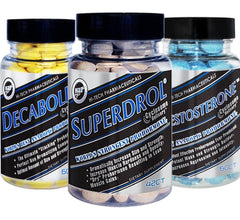 97
97
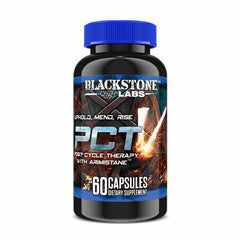 69
69
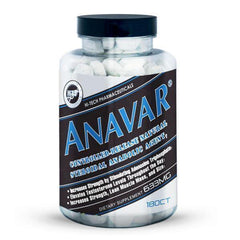 64
64
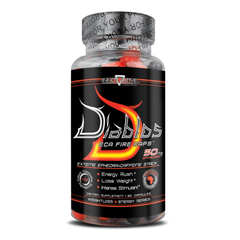 87
87
Secure sign in
Svpplements uses Shopify Customer Accounts for protected login, order history, and account data.
