

This product
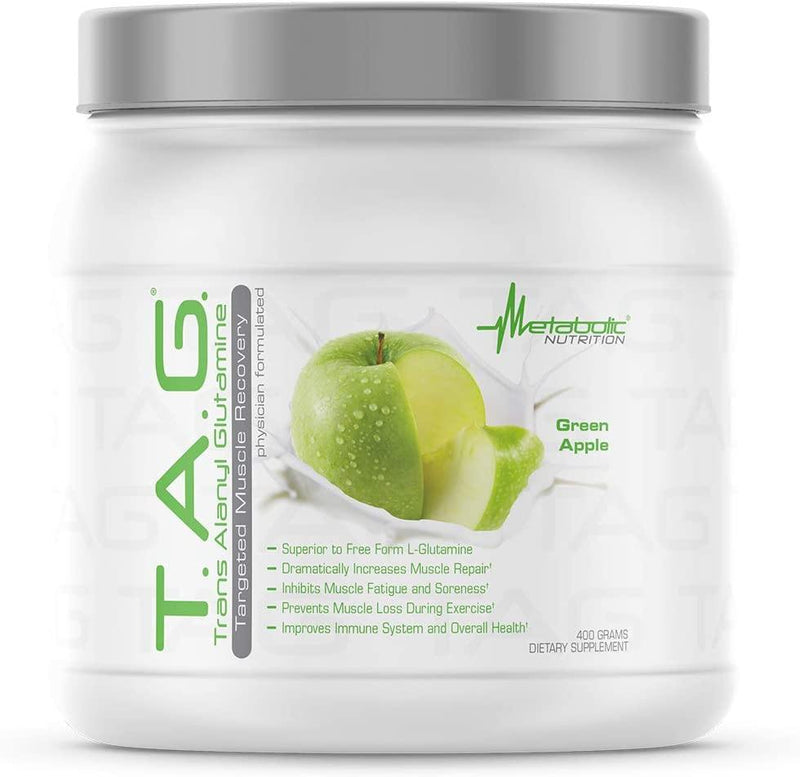
 Metabolic Nutrition | MN TAG Glutamine | 40 ServingsMetabolic Nutrition
- SuppVault Score
- 70/100
- Per serving
- $0.87
Key actives
Tested
Metabolic Nutrition
10g alanyl-glutamine dipeptides for serious recovery and hydration support
$34.99 $49.99$0.87/serving SuppVault Summary
Metabolic Nutrition TAG is a dedicated recovery formula delivering 10g of trans alanyl glutamine dipeptides per serving. This dipeptide form is more stable than basic free-form glutamine and better suited for hydration support, intestinal uptake, and training recovery.
Metabolic Nutrition publishes test results from independent third-party labs. Svpplements links to the manufacturer’s data — we don’t test products ourselves.
Discount applied automatically in cart.


TAG handles recovery and hydration support, while creatine supports phosphocreatine replenishment for repeated high-intensity output. Together, they cover two different sides of performance: cellular energy availability and the ability to recover well enough to keep expressing strength across the week.
Take TAG around training; take creatine daily at any convenient time, including alongside TAG.
TAG is not a complete protein and does not replace the essential amino acids needed to maximize muscle protein synthesis. Pairing it with a fast-digesting protein source gives you targeted recovery support from alanyl-glutamine plus the leucine-rich amino profile needed for post-training repair.
Use TAG pre, intra, or post; add whey post-workout or whenever your daily protein intake needs support.
Alanyl-glutamine already supports fluid handling, so combining it with sodium, potassium, and magnesium creates a more complete hydration strategy for athletes training in heat or sweating heavily. This is especially useful for long sessions, conditioning work, and summer training blocks.
Mix together intra-workout or use TAG with electrolytes before and during training.
TAG helps with recovery and hydration, but it does not provide meaningful carbohydrate fuel. Adding an easily digested carb source supports training output, glycogen preservation, and fluid transport during long sessions where performance falls off because energy and hydration both become limiting.
Combine with TAG during training for sessions lasting 60 minutes or more.
TAG focuses on glutamine delivery, not the full spectrum of essential amino acids. If you train fasted or want broader amino support around workouts, pairing TAG with EAAs can make sense by covering both recovery hydration support and essential building blocks for muscle repair.
Use together pre- or intra-workout, especially during fasted or long sessions.
TAG uses a dipeptide glutamine form positioned for better stability and hydration utility than standard free glutamine.
Hydra EAA may offer broader intra-workout support through essential amino acids plus hydration-focused ingredients.
Glycoload is better for carb-hydration performance, while TAG is more targeted for glutamine-based recovery support.
TAG stands out with a full 10g alanyl-glutamine dipeptide serving rather than basic standalone glutamine.
Side-by-side against the closest competitors. Score reflects clinical dosing, transparency, and testing.
Metabolic Nutrition | MN TAG Glutamine | 40 ServingsMetabolic Nutrition
 Metabolic Nutrition | GlutamineMetabolic Nutrition
TAG uses a dipeptide glutamine form positioned for better stability and hydration utility than standard free glutamine.
Compare side-by-side → Metabolic Nutrition | MN Hydra EAA | 40 ServingsMetabolic Nutrition
Hydra EAA may offer broader intra-workout support through essential amino acids plus hydration-focused ingredients.
Compare side-by-side → Metabolic Nutrition | MN GlycoLoad | 30 ServingsMetabolic Nutrition
Glycoload is better for carb-hydration performance, while TAG is more targeted for glutamine-based recovery support.
Compare side-by-side →Comparison data combines live storefront pricing with our SuppVault analysis. Competitor scores reflect public-label data; manufacturer-side changes may not be reflected in real time.
Metabolic Nutrition TAG is a specialized recovery formula built around one job: delivering glutamine in a form that is more stable, more functional, and generally more useful under training stress than basic free-form glutamine alone. Instead of sprinkling glutamine into a broader kitchen-sink product, this formula commits the full 10g serving to T.A.G. Trans Alanyl Glutamine dipeptides. That matters, because alanyl-glutamine is not just "glutamine with a different name." It is a dipeptide form engineered for improved stability in solution and efficient intestinal transport, which makes it especially relevant for athletes who care about recovery, hydration, and maintaining training quality when volume is high.
The core active here is T.A.G. at 10g, identified as a dipeptide matrix containing trans-alanyl-glutamine and L-alanyl-L-glutamine, including the well-known alanyl-glutamine form commonly associated with Sustamine®. Mechanistically, alanyl-glutamine leverages peptide transport pathways in the gut, particularly PepT1-mediated uptake, allowing the dipeptide to be absorbed efficiently and then hydrolyzed into alanine and glutamine. That gives the formula two useful recovery angles at once. Glutamine is heavily involved in nitrogen transport, intestinal cell fuel use, immune cell metabolism, and recovery under physiological stress. Alanine contributes to amino acid metabolism and can support gluconeogenic energy handling during prolonged or repeated exertion. In practice, athletes usually care about the outcome: less of that drained, beat-up feeling after hard sessions, better hydration resilience, and a more repeatable training week.
Dose is where this product earns credibility. At 10g per serving, TAG sits at the top end of common sports-nutrition use for glutamine-related recovery support and squarely within the ranges used for exercise recovery and hydration research with alanyl-glutamine. This is not a token 2-3g inclusion designed to decorate a label. It is a full-serving, stand-alone dose built for an actual physiological effect. Research on alanyl-glutamine has shown benefits in fluid and electrolyte absorption, exercise capacity under heat stress, and support for recovery demands where standard hydration or amino support is not enough. Compared with plain L-glutamine, the dipeptide format offers a meaningful formulation advantage because free glutamine is less stable in solution and more limited in practical delivery.
The synergy here is elegant because it is simple. The alanine and glutamine components work together to support intestinal transport, hydration efficiency, and post-exercise recovery status rather than chasing acute stimulatory sensations. That makes TAG especially useful around sessions that create a lot of sweat loss, repeated eccentric damage, or cumulative stress across the week. It also stacks cleanly with creatine, intra-workout carbohydrates, electrolytes, and protein because it does not duplicate those roles.
Transparency is a major positive. The formula is essentially one disclosed active at a real dose, not a proprietary blend hiding behind vague claims. In a category where recovery products are often stuffed with underdosed glutamine, BCAAs, and filler aminos, TAG stands out by doing less but doing it seriously.
What should you expect? Day 1 is not a stimulant-like experience. You are more likely to notice easier drinking, less GI heaviness than some amino products, and better post-training recovery rhythm, especially if used around dehydrating or high-volume sessions. Over 2-4 weeks of consistent use, the value becomes clearer: less breakdown between hard sessions, better tolerance for repeated training days, and more dependable readiness when your workload would normally start to catch up with you.
Alanyl-glutamine differs from free glutamine because it can utilize intestinal peptide transport systems, especially PEPT1, rather than relying only on free amino acid transporters. This can improve delivery efficiency under conditions where glutamine stability or uptake becomes limiting. The dipeptide format is also more stable in solution than free glutamine alone. For athletes, that makes it especially relevant in products intended for hydration and recovery support.
Alanyl-glutamine has been studied for its role in fluid balance and exercise tolerance, particularly during heat stress and prolonged output. Mechanistically, it may support intestinal water and electrolyte absorption while also helping preserve cellular function under dehydration strain. This is why its use often extends beyond simple muscle recovery discussions. In practical sports nutrition, it sits at the intersection of amino support and hydration performance.
Glutamine is a major fuel source for rapidly dividing intestinal cells and is often discussed in contexts involving barrier support and exercise stress. Delivering it as alanyl-glutamine may improve handling in the gut while still supplying glutamine systemically after absorption. That matters for athletes whose training loads combine tissue stress, sweat loss, and GI strain. The result is a more functional recovery profile than basic single-purpose amino products often provide.
Verified athletes can view NCAA, WADA, and high-school compliance status for this product.
* These statements have not been evaluated by the Food and Drug Administration. This product is not intended to diagnose, treat, cure, or prevent any disease. Consult your physician before use if you have a medical condition or take medications.
Drop your number and our team will instantly text you.
Our team is on it. Check your texts — real advice, real fast.
Brain-curated complementary picks for synergy and full-spectrum coverage.
 70
70
 64
64
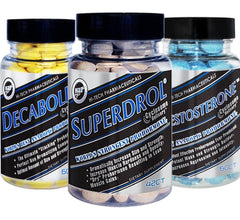 97
97
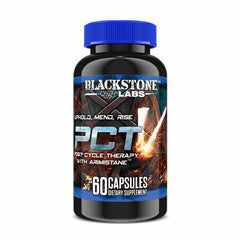 69
69
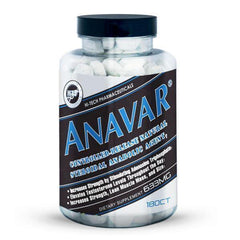 64
64
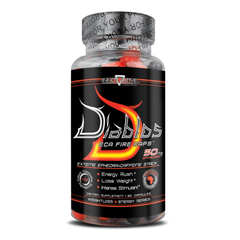 87
87
Secure sign in
Svpplements uses Shopify Customer Accounts for protected login, order history, and account data.

