

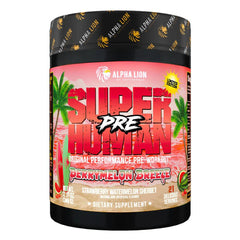
 Alpha LionAlpha Lion | SuperHuman | 21 Servings
Athlete Compliance
Know What's in Your Supplements
Every product in our catalog is cross-referenced against official banned substance lists from NCAA, WADA, and state high school athletic associations. Not a guess — a verified ingredient-by-ingredient check.
How We Determine Compliance Status
Every product's supplement facts panel is extracted using multi-model AI vision. Each ingredient is normalized to its canonical name and cross-referenced against three authoritative databases:
- NCAA 2025-26 Banned Substances List — 72 named substances and their known aliases
- WADA Prohibited List — S1 Anabolic Agents, S4 Hormone Modulators, S6 Stimulants
- State High School Athletic Associations — NFHS guidance plus state-level bans
If any ingredient matches a banned substance or a known alias (including brand names like Thermo-Z™ for ephedra or Juglans Regia for DMHA), the product is tagged accordingly. No exceptions.
What the Tags Mean
Safe
No banned substances detected. Every ingredient checked against the relevant banned substance list — no matches found.
Banned Substance
One or more ingredients are on the banned list. Common flags: prohormones (DHEA, 1-Andro, Epiandrosterone), DMHA, DMAA, Ephedra, Yohimbine, Arimistane, Synephrine, SARMs.
Grey Area
Not on any banned list, but steroidal/stimulant-adjacent. Laxogenin, Turkesterone, Ecdysterone, Eria Jarensis. We make no ruling — consult your organization.
Unverified
Ingredient data incomplete. We can't confirm safe or unsafe. Do not assume compliance.
Contains Caffeine
Legal but threshold-tested by NCAA. ~15 mcg/mL urine limit (~500mg in 2-3 hrs). A Starbucks Grande has 310mg.
High School Athletes
Browse HS-Safe Products →The NFHS does not publish a single national banned list. Each state sets its own policy. Key universal rules:
- Coaches cannot recommend or supply supplements in most states
- 25% of tested supplements contain undeclared steroids or PED precursors
- Ephedrine, DMAA, DMHA explicitly banned in 12+ states
- Yohimbe explicitly banned in CA, IL, KS; restricted elsewhere
Your State's Rules
Select your state to see what applies to high school athletes.
Guides for Parents, Coaches & Athletes
High School Supplement Rules by State: The 50-State Guide
Your Kid Asked for a Pre-Workout: A Parent's Honest Guide
Your Kid Asked for SARMs: What Parents Need to Know
Is Pre-Workout Safe for Teenagers?
Should Kids Take Creatine? What Parents Need to Know
Can a 12-Year-Old Drink Protein Shakes?
The Coach's Guide to Student Athlete Supplements
NCAA Athletes
Browse NCAA-Safe Products →NCAA Division I, II, and III athletes are subject to year-round testing. Key rules:
- Zero tolerance for anabolic agents, peptide hormones, anti-estrogens, SARMs, most stimulants
- Caffeine legal below 15 mcg/mL urine threshold
- Synephrine (bitter orange) banned when from bitter orange source
- Deer antler velvet banned due to IGF-1
- Athletes are personally responsible for everything they ingest
NCAA Compliance Guides
NCAA Banned Substances 2025-26: The Complete Guide
Can College Athletes Take Pre-Workout? The NCAA Caffeine Guide
How to Check if Your Supplement is NCAA Safe
What Happens if You Fail a College Drug Test
Can NCAA Athletes Take Peptides?
Can NCAA Athletes Take Ashwagandha?
Is Adderall Banned in College Sports?
CBD Oil and College Athletes: NCAA & WADA Rules
Is Magnesium Banned by the NCAA?
What Percent of D1 Athletes Take Creatine?
Safe Pre-Workout for Tested Athletes
What Supplements Can Cause a False Positive Drug Test?
WADA-Tested Athletes
Browse WADA-Clean Products →Athletes subject to WADA testing (Olympics, USADA, international federations) follow the Prohibited List:
- S1 Anabolic Agents — All prohormones, SARMs, DHEA, androstenedione
- S4 Hormone Modulators — Aromatase inhibitors (Arimistane, Letrozole), SERMs (Tamoxifen, Clomid)
- S6 Stimulants — DMAA, DMHA, Ephedrine, Higenamine, Hordenine
- Caffeine on monitoring list only (not prohibited)
- Yohimbine / Rauwolscine prohibited
WADA & International Guides
Grey Area Compounds
These compounds are not on any current banned list but act on hormonal or stimulant pathways. We make no ruling. This is between you, your coach, and your compliance officer.
Laxogenin (5a-Hydroxy Laxogenin)
Plant-derived sapogenin. Marketed as a "natural anabolic." Structurally steroidal. Not on WADA or NCAA lists.
Turkesterone / Ecdysterone
Ecdysteroids from Ajuga Turkestanica. WADA placed ecdysterone on its 2020 monitoring program. Not currently prohibited.
Eria Jarensis (N-Phenethyl Dimethylamine)
Synthetic PEA derivative. Not explicitly named by WADA or NCAA. FDA has issued warning letters for related compounds.
Products containing only grey area compounds are tagged Grey Area so you can make an informed choice. Browse grey area products →
Third-Party Certifications
The gold standard for athlete safety is third-party batch testing:
NSF Certified for Sport
Required by NFL, MLB, NHL, PGA, LPGA, CFLPA. Tests every batch.
Informed Sport
UK-based. Every batch tested. Accepted by many international federations.
Informed Choice
Monthly batch testing. Accepted by many professional organizations.
Certification Guides
Informed Sport vs NSF: Which Certification Matters?
The 5 Informed Programs Explained
What is BSCG Certified Drug Free?
GMP vs NSF vs Third-Party Testing
How to Verify Any Supplement's Certification in 60 Seconds
What Supplements Are Actually Proven for Athletes?
Best Third-Party Tested Supplement Brands
What Is the Cleanest Protein Powder?
Important Disclaimer
Sport compliance status on this site is determined by cross-referencing each product's ingredient panel against the sources listed below. Banned substance lists are updated periodically by their governing bodies and are subject to change without notice.
SuppVault provides this analysis as a reference tool. We are not affiliated with NCAA, WADA, NFHS, or any governing body. We compute ingredient matches against the best available public data and cite our sources. We are not responsible for eligibility decisions, competition results, or disciplinary actions.
Always verify with your organization's compliance officer, use tools like Drug Free Sport AXIS, and when in doubt, choose a NSF Certified for Sport product.
Our Sources
- NCAA Banned Substance Classes (2025-26)
- WADA Prohibited List 2025
- Drug Free Sport AXIS
- NSF Certified for Sport Database
- NFHS (National Federation of State High School Associations)
Powered by OSv
Find compliant supplements for your sport
Each cohort below filters our catalog by the relevant compliance list. Click a pill to see what passes.
Cleared against the NCAA 2025-26 banned-substances list. No prohormones, DMAA/DMHA, ephedra, yohimbine, SARMs, or arimistane.
Alpha LionAlpha Lion | SuperHuman | 21 Servings
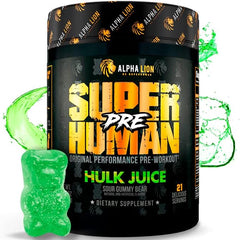 Alpha LionAlpha Lion | SuperHuman | 21 Servings
 Hi-Tech PharmaceuticalsHi-Tech Pharmaceuticals | Pain-Rx | 45 Tablets
 Metabolic NutritionMetabolic Nutrition | MuscLEAN | 50 Servings
 Anabolic WarfareAnabolic Warfare | Pump Sauce
 Axe & SledgeAxe & Sledge | A&S Hydraulic 2 | 40 Servings
Cleared against the WADA Prohibited List. No S1 anabolic agents, S4 hormone modulators, or S6 stimulants.
Alpha LionAlpha Lion | SuperHuman | 21 Servings
Alpha LionAlpha Lion | SuperHuman | 21 Servings
Hi-Tech PharmaceuticalsHi-Tech Pharmaceuticals | Pain-Rx | 45 Tablets
Metabolic NutritionMetabolic Nutrition | MuscLEAN | 50 Servings
Anabolic WarfareAnabolic Warfare | Pump Sauce
Axe & SledgeAxe & Sledge | A&S Hydraulic 2 | 40 Servings
DoD-aligned: no DMAA/DMHA, no ephedra, no banned PEDs. Mission-ready.
Alpha LionAlpha Lion | SuperHuman | 21 Servings
Alpha LionAlpha Lion | SuperHuman | 21 Servings
Hi-Tech PharmaceuticalsHi-Tech Pharmaceuticals | Pain-Rx | 45 Tablets
Metabolic NutritionMetabolic Nutrition | MuscLEAN | 50 Servings
Anabolic WarfareAnabolic Warfare | Pump Sauce
Axe & SledgeAxe & Sledge | A&S Hydraulic 2 | 40 Servings
NFHS-aligned: no DMAA/DMHA, no ephedrine, no DHEA/prohormones, no SARMs. Always confirm with your state association.
Alpha LionAlpha Lion | SuperHuman | 21 Servings
Alpha LionAlpha Lion | SuperHuman | 21 Servings
Hi-Tech PharmaceuticalsHi-Tech Pharmaceuticals | Pain-Rx | 45 Tablets
Metabolic NutritionMetabolic Nutrition | MuscLEAN | 50 Servings
Anabolic WarfareAnabolic Warfare | Pump Sauce
Axe & SledgeAxe & Sledge | A&S Hydraulic 2 | 40 Servings
Compliance status reflects ingredient-by-ingredient cross-reference against the relevant org's banned-substance list at the date our analysts checked. Verify with your sport's governing body before competition.