

Organic Kale










Overview
Insufficient data from provided sources to construct a detailed pharmacological mechanism of action for Organic Kale as a dietary supplement. The following reflects established nutritional biochemistry of kale as a whole food.
Key Nutritional Mechanisms
#Vitamin K1 and Coagulation/Bone Metabolism
Kale is one of the richest dietary sources of Vitamin K1 (phylloquinone). Vitamin K1 is a cofactor for gamma-glutamyl carboxylase (GGCX), which carboxylates glutamate residues into gamma-carboxyglutamate (Gla) on target proteins. These Gla-proteins include coagulation factors (prothrombin, Factors VII, IX, X) and bone-associated proteins (osteocalcin, matrix Gla protein). This mechanism underlies the clinically significant interaction with warfarin.
#Glucosinolates and Phase II Detoxification
Kale contains glucosinolates including gluconapin and sinigrin (not primarily glucoraphanin, which is the sulforaphane precursor found predominantly in broccoli/broccoli sprouts). Upon cell damage or mastication, myrosinase hydrolyzes these glucosinolates into isothiocyanates (allyl isothiocyanate from sinigrin) and other bioactive compounds. These can activate Nrf2-ARE signaling and upregulate Phase II detoxification enzymes (GSTs, NQO1), though the magnitude of this effect from kale specifically is less characterized than from broccoli sprouts.
#Carotenoids: Lutein and Zeaxanthin
Kale is a primary dietary source of lutein and zeaxanthin. These xanthophylls are selectively concentrated in the macular region of the retina, where they absorb high-energy blue light and act as localized antioxidants, protecting photoreceptor cells from oxidative damage. Their fat-soluble nature means absorption is enhanced by co-ingestion with dietary fats.
Pharmacokinetics
No pharmacokinetic data for supplemental Organic Kale powder is available in the provided sources. Bioavailability of constituent nutrients is highly variable and influenced by processing, particle size, and co-ingestion with macronutrients (particularly fats for lipophilic compounds).
What is Organic Kale? +
How does Organic Kale work? +
What is the best dose for Organic Kale? +
When is the best time to take Organic Kale? +
Are there any side effects of taking Organic Kale? +
Do I need to cycle Organic Kale? +
What is the best form of kale to take? +
Who should take Organic Kale? +
Who should not take Organic Kale? +
Can I stack Organic Kale with other supplements? +
Is long-term use of Organic Kale safe? +
Can I get enough kale from food? +
Is there a difference between branded and generic kale powder? +
Do I need a loading phase for Organic Kale? +
Does Organic Kale interact with medications? +
Is Organic Kale powder as good as fresh kale? +
Why is organic kale preferred in supplements? +
Everything About Organic Kale Article
The Definitive Guide to Organic Kale
Organic Kale has earned its reputation as a 'superfood', a title reflecting its exceptional nutrient density. While commonly consumed as a whole food, it has become a staple ingredient in greens powders and nutritional supplements. This guide synthesizes the available information to provide a clear picture of what we know—and what we don't—about Organic Kale in supplement form.
What It Does: The Nutritional Powerhouse
Organic Kale powder is essentially the dried and ground form of fresh kale leaves. Its primary function as a supplement is to provide a concentrated source of the vitamins, minerals, and phytonutrients found in the whole vegetable. It is not an ingredient you 'feel' working in the short term, like caffeine. Instead, its benefits are nutritional and contribute to long-term health and wellness.
Key nutritional components include: Vitamin K1: Essential for blood clotting and bone health. Vitamin C: A potent antioxidant that supports immune function and collagen synthesis. Carotenoids: Including beta-carotene (a precursor to Vitamin A), lutein, and zeaxanthin, which are important for eye health. Glucosinolates: Sulfur-containing compounds that, when broken down, may support the body's natural detoxification processes. Minerals: A source of calcium, potassium, and manganese. Fiber: Supports digestive health.
By adding Organic Kale powder to your diet, you are supplementing your intake of these vital nutrients, which can help fill nutritional gaps, especially for those with limited vegetable consumption.
The Science: A Look at the Evidence
It is critical to note that the provided sources for this analysis contained no direct clinical research on Organic Kale supplementation. The primary scientific evidence portal, Examine.com, did not have a page for this ingredient. Therefore, our understanding is based on the well-established nutritional science of kale as a food, rather than clinical trials on the powder form.
The benefits attributed to kale are based on decades of nutritional and epidemiological research linking diets rich in leafy green vegetables to positive health outcomes. The mechanisms are understood to be related to the antioxidant, anti-inflammatory, and nutrient-providing properties of its constituent compounds. However, the specific effects of consuming it in a powdered, supplemental form—at specific dosages—have not been validated in the provided literature.
What The Research Says
Given the lack of provided studies, there is no research consensus on Organic Kale as a supplement. The conversation in the scientific community revolves around the benefits of whole cruciferous vegetables in the diet. There are no meta-analyses or randomized controlled trials (RCTs) in the source material to confirm that supplementing with kale powder provides the same benefits as consuming the whole food.
Dosing Guide: What the Market Tells Us
Without clinical studies, we turn to market data to understand common dosages. A survey of 21 products containing Organic Kale revealed the following: Common Range: 900 mg to 2250 mg per serving. Median Dose: 2250 mg per serving.
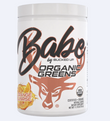
One example product, Bucked Up Organic Greens, contains a 2250 mg dose of Organic Kale per serving. This suggests that higher doses are common in comprehensive greens formulas.
Recommendation: Look for products that provide a dose within the 900 mg to 2250 mg range. Because there is no established 'effective dose', more is not necessarily better. The goal is nutritional supplementation, not pharmacological intervention.
Forms Compared
The only form discussed in the provided sources is Organic Kale Powder. There is insufficient data to compare this to other potential forms, such as extracts or tinctures. The powder is simply the dehydrated and pulverized leaf, preserving a broad spectrum of the plant's original nutrients.
When & How To Take It
Organic Kale powder can be taken at any time of day. It is most commonly mixed into water, juice, or smoothies. Due to its fibrous nature and distinct 'green' taste, blending it with other ingredients, especially fruits, is a popular method to improve palatability. There is no need to cycle Organic Kale.
Stacking: Building a Nutritional Foundation
Organic Kale is almost always 'stacked' with other ingredients in greens powders. Common stacking partners include: Other Greens: Spinach, Barley Grass, Wheat Grass Algaes: Spirulina, Chlorella Fruits & Vegetables: Broccoli, Alfalfa, Acai
The rationale is to create a more comprehensive nutritional product that provides a wider array of micronutrients and phytonutrients than any single ingredient could alone.
Who Should Take It
Individuals who may benefit from supplementing with Organic Kale include: Those with low daily vegetable intake. People looking for a convenient way to boost their micronutrient consumption. Athletes or active individuals with higher nutritional demands.
Who Should NOT Take It
While generally safe, certain individuals should exercise caution: People on Blood Thinners (e.g., Warfarin): Kale's high Vitamin K content can interfere with these medications. A consultation with a physician is essential. Individuals with Thyroid Issues: In very high amounts, raw kale contains goitrogens, which could potentially interfere with thyroid function. However, the amounts in typical supplement doses are unlikely to be problematic for most people. Consultation with a healthcare provider is recommended.
The Bottom Line
Organic Kale powder is a convenient way to add the nutritional profile of a well-known superfood to your diet. While direct clinical evidence for the supplement form is lacking in the provided sources, its use is supported by the extensive body of research on the health benefits of diets rich in leafy green vegetables. It is best viewed as a nutritional insurance policy to help fill dietary gaps, with common market doses ranging from 900 mg to 2250 mg.
* These statements have not been evaluated by the Food and Drug Administration. This information is for educational purposes only and is not intended to diagnose, treat, cure, or prevent any disease. Consult a healthcare provider before beginning any supplement regimen.