This product
 3D | Energy Drink3D
- SuppVault Score
- 97/100
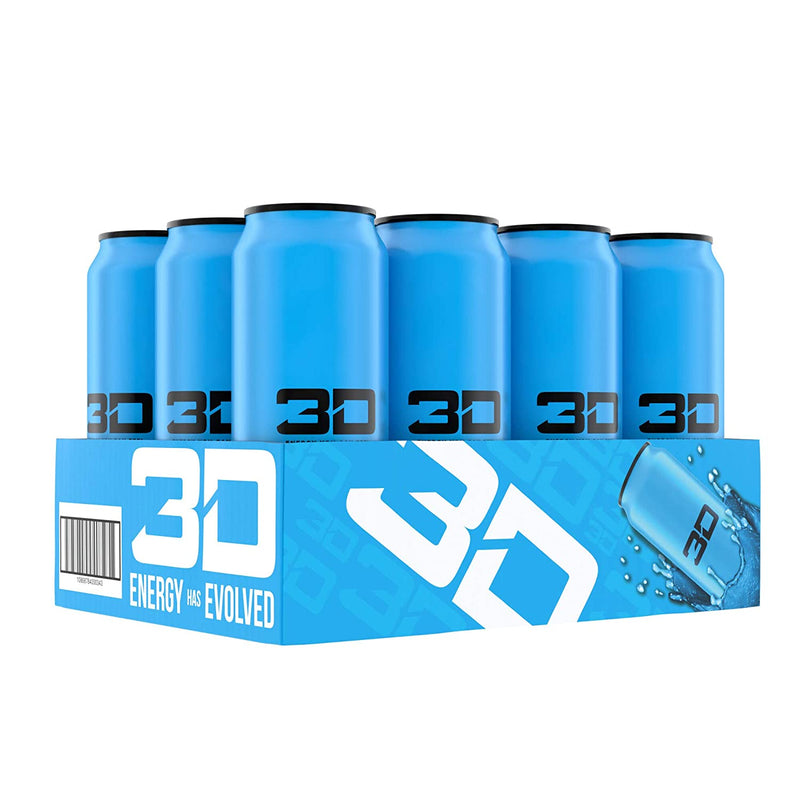
3D
200mg caffeine, zero sugar, classic energy drink performance support
$2.99
Scored on what's in the tub, not the marketing.
The label is the formula. We score it either way.
Get Notified When Back in Stock
We'll email you once when this product is restocked. No spam.
Shop Similar Products


 SuppVault Summary
3D Energy Drink is a zero-sugar, 200mg caffeine performance drink built for convenient pre-workout energy. It works best as a moderate-stim canned option, with taurine, ginseng, guarana, and B vitamins supporting the classic energy-drink profile.
| Ingredient | Amount Per Serving | % Daily Value |
|---|---|---|
| Caffeine | 200mg | † |
| Glucuronolactone | — | † |
| Guarana Seed Extract | — | † |
| Inositol | — | † |
| L-Carnitine L-Tartrate | — | † |
| Niacin | — | † |
| Panax Ginseng Root Extract | — | † |
| Pantothenic Acid | — | † |
| Taurine | — | † |
| Vitamin B12 | — | † |
| Vitamin B6 | — | † |
† Daily Value (DV) not established for this ingredient.
3D publishes test results from independent third-party labs. Svpplements links to the manufacturer’s data — we don’t test products ourselves.
Discount applied automatically in cart.


3D handles the acute energy side, while creatine covers the long-game performance side that this drink does not. Adding daily creatine improves phosphocreatine availability, training output, and recovery capacity without increasing stimulant load.
Take creatine daily any time; use 3D 20-30 minutes pre-workout

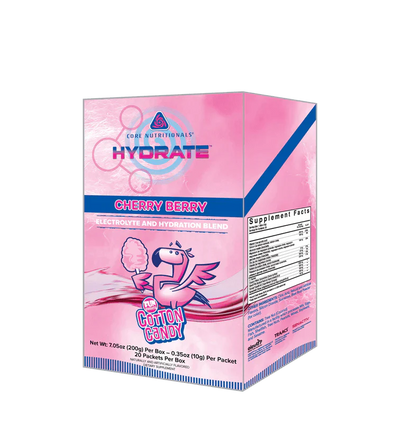
Caffeine improves readiness, but it does not replace dedicated electrolyte support. Pairing 3D with a hydration product is especially useful for sweaty training sessions, conditioning work, or hot-weather performance.
Use 3D pre-workout and sip Hydrate during training

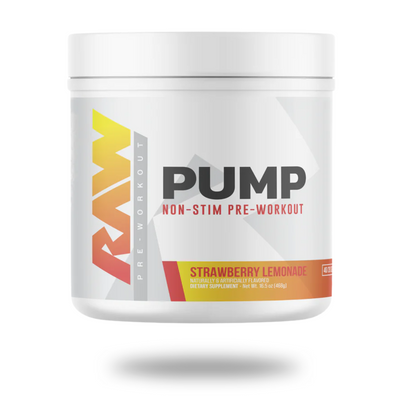
3D gives you convenient energy, but it does not provide disclosed nitric oxide support. A stim-free pump product fills that gap by adding the blood-flow and cell-volumizing side this formula leaves out.
Take with or shortly after 3D before training

Caffeine handles alertness, while L-tyrosine can support catecholamine production under stress. This is a smart stack for users who want cleaner cognitive performance without jumping to a more aggressive stimulant drink.
Take 20-30 minutes pre-workout alongside 3D
Ghost generally offers a more differentiated formula position with stronger nootropic-style identity than 3D’s classic energy blend.
Both occupy the ready-to-drink performance energy category, with preference depending on whether you want simpler moderation or a more aggressive brand style.
A transparent powder pre-workout with disclosed ingredients typically outclasses 3D on clinical completeness and performance specificity.
3D wins when convenience, zero sugar, and a fixed 200mg caffeine dose matter more than ingredient transparency.
Side-by-side against the closest competitors. Score reflects clinical dosing, transparency, and testing.
3D | Energy Drink3D
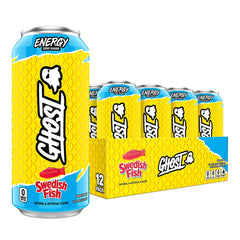 Ghost | Energy DrinkGhost
Ghost generally offers a more differentiated formula position with stronger nootropic-style identity than 3D’s classic energy blend.
Compare side-by-side → Bucked Up | EnergyBucked Up
Both occupy the ready-to-drink performance energy category, with preference depending on whether you want simpler moderation or a more aggressive brand style.
Compare side-by-side → Core Nutritionals | Essential Pre | 30 ServingsCore Nutritionals
A transparent powder pre-workout with disclosed ingredients typically outclasses 3D on clinical completeness and performance specificity.
Compare side-by-side →Comparison data combines live storefront pricing with our SuppVault analysis. Competitor scores reflect public-label data; manufacturer-side changes may not be reflected in real time.
3D Energy Drink is best understood as a modern zero-sugar performance energy drink rather than a fully built-out clinical pre-workout. Its formulation strategy is straightforward: deliver a dependable 200mg caffeine dose in a convenient ready-to-drink format, then support that stimulant backbone with the category-standard supporting cast of taurine, Panax ginseng root extract, L-carnitine tartrate, glucuronolactone, inositol, guarana, and energy-metabolism B vitamins. The philosophy here is accessibility and convenience first, not maximum formula sophistication.
The most important disclosed active is caffeine at 200mg per 16 oz can. That sits at the low end of the clinically effective range for performance and alertness, with research typically supporting 200-400mg or roughly 3-6 mg/kg depending on body size and context. Mechanistically, caffeine antagonizes adenosine receptors, reducing perceived fatigue and increasing downstream catecholamine signaling, which improves alertness, reaction speed, and exercise readiness. In practical terms, 200mg is enough for most users to feel a real lift in energy, mood, and training intent without immediately pushing into the high-stim territory that can impair tolerance or sleep in sensitive users.
Taurine is included, but the label does not disclose its individual dose. That matters because taurine has meaningful evidence for endurance support, osmoregulation, calcium handling in muscle, and cardiovascular function, with research-supported intakes generally landing around 1,000-3,000mg. It also pairs well with caffeine in energy drink formulations. If dosed well, taurine can help smooth the stimulant feel and support muscular and neural function. Because 3D hides the exact amount inside a 1.5g blend that already includes 200mg caffeine plus multiple other actives, taurine is unlikely to be present at the upper end of its studied range.
Panax ginseng root extract is a classic adaptogenic inclusion aimed at perceived energy, resilience, and mental drive. Its issue here is the same: no disclosed dose, no standardization details, and therefore no way to verify potency against the literature. L-carnitine tartrate has some relevance to recovery and exercise stress when used consistently, but evidence-based doses are typically far higher than what this blend is likely to provide after accounting for caffeine. Glucuronolactone and inositol are also common energy drink ingredients, yet glucuronolactone has very limited standalone human performance evidence, while inositol’s most robust literature is in metabolic and reproductive health at gram-level doses well above what is likely present here. Guarana seed extract may contribute additional natural caffeine and stimulant nuance, but again, the exact amount is undisclosed.
The B-vitamin profile is at 140% DV across niacin, vitamin B6, vitamin B12, and pantothenic acid. These nutrients play legitimate roles in energy metabolism as cofactors for cellular processes, but in an acute energy drink, they are not the ingredient you feel. They support the formula’s theme more than they drive the immediate effect.
Synergy-wise, this is caffeine-led. Taurine likely helps round out the stimulant experience, guarana may extend or texture the caffeine feel, and ginseng adds an adaptogenic angle. The system works, but it is not built on fully transparent, clinically benchmarked dosing.
That transparency point is the central limitation. Despite metadata flags, verified label research indicates a 1.5g proprietary energy blend. In category terms, that is common for mainstream canned energy drinks and weaker than modern transparent pre-workouts. Day 1, expect a clean rise in alertness and motivation within 15-30 minutes. Over 2-4 weeks, there is no major loading ingredient here that transforms performance the way creatine or beta-alanine would. Consistent use mainly means consistent caffeine-driven energy, with any secondary benefits from carnitine or ginseng dependent on whatever undisclosed amounts are actually present.
Caffeine’s primary mechanism is antagonism of adenosine receptors in the central nervous system. By reducing adenosine signaling, it suppresses the neurochemical pressure toward fatigue and indirectly increases dopamine and norepinephrine activity. This improves alertness, reaction speed, perceived energy, and exercise readiness. In sports nutrition, caffeine remains one of the most validated acute ergogenic aids available.
Taurine is not a stimulant, but it plays important roles in osmoregulation, calcium handling, and cytoprotection across muscular and nervous tissue. In exercise settings, acute taurine intake has shown benefits in endurance-oriented measures such as time-to-exhaustion. It is also one of the most rational non-stimulant companions to caffeine in energy drink design because it supports cellular function without competing mechanistically with stimulant action.
When multiple active ingredients are buried inside a small proprietary blend, the formulator prevents meaningful dose-by-dose comparison to clinical literature. This is particularly important in sports nutrition, where effective ranges for ingredients such as taurine, inositol, and carnitine are often measured in grams or at least disclosed milligrams. Even if the ingredient list is promising on paper, undisclosed dosing makes it impossible to verify whether those ingredients are functionally relevant. Transparent labels create trust because they allow direct comparison to published evidence.
B vitamins are often misunderstood as direct stimulants, but their actual role is as enzymatic cofactors in pathways involved in nutrient metabolism and energy production. Niacin contributes to NAD and NADP formation, while B6, B12, and pantothenic acid support related metabolic processes. In someone who is not deficient, these vitamins do not create the acute kick associated with caffeine. Their value in an energy formula is supportive and foundational rather than immediately perceptible.
Each can contains 200mg caffeine. That is a meaningful moderate-stim dose and the main driver of the formula’s effects.
It functions best as a streamlined pre-workout energy drink. You get useful caffeine plus classic support ingredients, but not the fully disclosed pump and endurance dosing of a clinical powder pre.
Verified label research indicates it is a zero-sugar formula. That makes it easier to use during fasted training or cutting phases.
Most users do best taking it 20-30 minutes pre-workout. That gives caffeine enough time to start noticeably lifting alertness before hard sets begin.
No. Verified label research indicates taurine sits inside a 1.5g proprietary energy blend, so its exact dose is not printed.
They cannot be verified as clinically dosed because the blend hides individual amounts. With only 1.5g total for multiple ingredients plus 200mg caffeine, several are likely below standalone research doses.
Yes. Creatine is one of the best additions because it improves long-term muscular performance without adding more stimulants.
You can, but you should count total daily caffeine carefully. One can already provides 200mg, and combining multiple sources can push you into jittery or sleep-disruptive territory fast.
Not in the way a dedicated nitric oxide pre-workout would. This formula is built for energy and focus first, not high-dose citrulline-style blood-flow support.
Yes, if they tolerate caffeine reasonably well. New users should still start slowly because 200mg in a single serving is enough to feel strongly if you are stimulant-naive.
The formula itself does not require a strict cycle. The main reason to rotate usage is caffeine tolerance, which can build with daily stimulant intake.
Convenience and simplicity. You get a fixed 200mg caffeine dose in a ready-to-drink can, but you sacrifice the transparency and full clinical dosing often found in better powder formulas.
Yes. The formula’s main value is caffeine-driven alertness, so it works just as well for long work blocks, driving, or study sessions.
Verified athletes can view NCAA, WADA, and high-school compliance status for this product.
* These statements have not been evaluated by the Food and Drug Administration. This product is not intended to diagnose, treat, cure, or prevent any disease. Consult your physician before use if you have a medical condition or take medications.
Drop your number and our team will instantly text you.
Our team is on it. Check your texts — real advice, real fast.
SuppVault-curated complementary picks for synergy and full-spectrum coverage.
Secure sign in
Svpplements uses Shopify Customer Accounts for protected login, order history, and account data.