This product
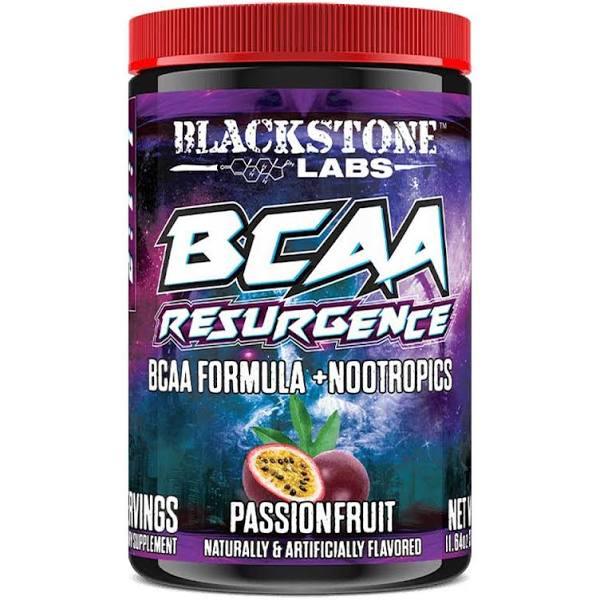
 Blackstone Labs | BSL BCAA Resurgence | 30 ServingsBlackstone Labs
- SuppVault Score
- 84/100
- Per serving
- $1.0
Key actives
Tested
Blackstone Labs
2.5g leucine, full 2:1:1 BCAA support, zero proprietary blends.
$29.99 $44.99$0.99/serving
Get Notified When Back in Stock
We'll email you once when this product is restocked. No spam.
Shop Similar Products
 59Blackstone Labs
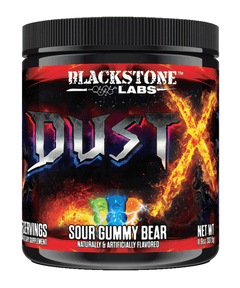
Blackstone Labs | BS Labs Dust-X | 25 Servings
$44.95
59Blackstone Labs
Blackstone Labs | BS Labs Dust-X | 25 Servings
$44.95
 79Blackstone Labs
Blackstone Labs | BSL EAA | 30 Servings
$29.95
79Blackstone Labs
Blackstone Labs | BSL EAA | 30 Servings
$29.95
 66ALR Industries
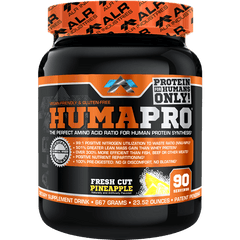
ALR Industries | Humapro Aminos
$31.95
66ALR Industries
ALR Industries | Humapro Aminos
$31.95
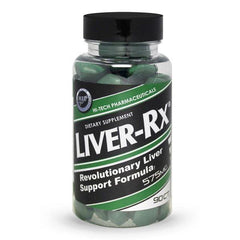
 53Hi-Tech Pharmaceuti...
Hi-Tech Pharmaceuticals | Liver-RX
$19.95
53Hi-Tech Pharmaceuti...
Hi-Tech Pharmaceuticals | Liver-RX
$19.95
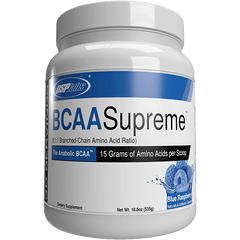
 53USP Labs
USP Labs | BCAA Supreme | 30 Servings
$27.95
SuppVault Summary
53USP Labs
USP Labs | BCAA Supreme | 30 Servings
$27.95
SuppVault Summary
Blackstone Labs BCAA Resurgence is a focused 2:1:1 BCAA formula built for peri-workout muscle support. It delivers 5g total BCAAs per serving, including 2.5g leucine to support muscle protein synthesis signaling when full protein intake is not immediately available.
Blackstone Labs publishes test results from independent third-party labs. Svpplements links to the manufacturer’s data — we don’t test products ourselves.
Discount applied automatically in cart.


BCAAs help support muscle protein synthesis signaling, but they do not replace a complete amino acid profile. Pairing this formula with a fast-digesting whey protein gives you leucine plus the full essential amino acid spectrum needed to fully build and repair muscle tissue.
Use BCAA Resurgence before or during training; take whey post-workout or with the next meal.
This is one of the best pairings because the mechanisms are distinct and complementary. BCAA Resurgence supports peri-workout amino availability and anti-catabolic strategy, while creatine supports phosphocreatine regeneration for repeated high-intensity output and long-term strength adaptation.
Take creatine daily; use BCAA Resurgence around training.
BCAAs support muscle-related nutrition, but they do not address sodium, potassium, and fluid balance. Adding electrolytes is especially smart during long sessions, hot environments, or cutting phases where hydration status can influence performance as much as amino timing.
Can be combined in the same training window or used alongside during the workout.
Because the verified formula here is just BCAAs, it stacks cleanly with performance formulas built around caffeine, citrulline, beta-alanine, or focus ingredients. That lets you build energy and pump separately while keeping your intra-workout amino support intact.
Take the pre-workout 20-30 minutes before training; sip BCAA Resurgence before or during the session.
The EAA formula likely offers a fuller essential amino acid spectrum for recovery than a pure BCAA product.
Xtend generally has stronger category recognition and often includes added hydration support.
Both target the same simple 2:1:1 BCAA use case with straightforward workout support.
BCAA Resurgence is lighter and more practical when you want peri-workout amino support without a full protein shake.
Side-by-side against the closest competitors. Score reflects clinical dosing, transparency, and testing.
Blackstone Labs | BSL BCAA Resurgence | 30 ServingsBlackstone Labs
 Blackstone Labs | BSL EAA | 30 ServingsBlackstone Labs
The EAA formula likely offers a fuller essential amino acid spectrum for recovery than a pure BCAA product.
Compare side-by-side → Xtend | Original BCAA | 30 ServingsXtend
Xtend generally has stronger category recognition and often includes added hydration support.
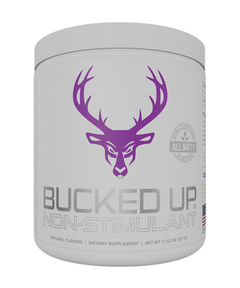
Compare side-by-side → Bucked Up | BCAA 2:1:1 | 30 ServingsBucked Up
Both target the same simple 2:1:1 BCAA use case with straightforward workout support.
Compare side-by-side →Comparison data combines live storefront pricing with our SuppVault analysis. Competitor scores reflect public-label data; manufacturer-side changes may not be reflected in real time.
Blackstone Labs BCAA Resurgence is a simple, transparent amino formula built around the classic 2:1:1 branched-chain amino acid ratio: 2.5g leucine, 1.25g isoleucine, and 1.25g valine per serving. That identity matters. This is not trying to be a disguised pre-workout, hydration formula, or kitchen-sink recovery blend. It is a focused BCAA product designed to deliver the three branched-chain amino acids most directly associated with muscle protein signaling, exercise-related muscle breakdown management, and training support when full protein intake is not immediately available.
Leucine is the centerpiece here at 2.5g per serving, and that is the most important number on the label. Leucine is the BCAA with the strongest evidence base for triggering muscle protein synthesis through mTORC1 activation. In practical terms, leucine acts like the “on switch” for the muscle-building machinery. Research and sports nutrition practice consistently center on roughly 2-3g leucine as a meaningful threshold for stimulating that signal, especially around training or in lower-protein feeding windows. At 2.5g, this formula lands right in the range most users actually want if the goal is to reinforce the anabolic signal during training, fasted sessions, or long gaps between meals.
Isoleucine at 1.25g completes more than just the label ratio. It contributes to the full BCAA profile needed alongside leucine, and research suggests it plays a complementary role in muscle metabolism and glucose uptake signaling. That matters during training, where nutrient partitioning and substrate use influence how well you hold performance and recover after the session. On its own, isoleucine is not the star of the formula, but in combination with leucine it supports a more complete anabolic and anti-catabolic amino environment than isolated leucine alone.
Valine is also present at 1.25g, rounding out the full BCAA triad. Valine’s evidence base is moderate, but it remains relevant for maintaining nitrogen balance and supporting the complete branched-chain amino acid pool during training stress. There is also mechanistic interest around valine and the central fatigue hypothesis, where BCAAs may help influence neurotransmitter competition related to exercise fatigue. That doesn’t make this a stimulant or nootropic product, but it does help explain why athletes often prefer a complete 2:1:1 BCAA blend instead of taking leucine in isolation.
The synergy is straightforward and well-established: leucine provides the dominant muscle protein synthesis trigger, while isoleucine and valine help complete the BCAA profile so you are not pushing one branched-chain amino acid without the others. This matters because isolated BCAA imbalances are not ideal in practice. The 2:1:1 ratio remains popular for a reason—it reflects leucine’s dominant anabolic role while preserving the complementary physiology of the full BCAA triad.
From a transparency standpoint, this is a strong label. There is no proprietary blend covering the active amino dose. Every meaningful active is disclosed in grams, which is exactly how an amino formula should be presented. The only major limitation is category-level, not label-level: BCAAs are not a full essential amino acid formula. They support muscle protein synthesis signaling, but they do not replace complete dietary protein or a full EAA profile. Day 1, expect a straightforward amino product you can sip around training with no stimulant feel. Over 2-4 weeks, the value shows up in repeated training support, better peri-workout amino coverage, and more consistent muscle preservation during aggressive training or calorie restriction.
Leucine is the dominant branched-chain amino acid for triggering mTORC1, the central nutrient-sensing pathway that initiates muscle protein synthesis. Once intracellular leucine availability rises, signaling through mTORC1 increases translational activity in skeletal muscle. This is why leucine is often described as the anabolic trigger rather than a complete builder by itself. In practice, the effect is most meaningful when total essential amino acid availability is limited before training.
The 2:1:1 ratio emphasizes leucine while preserving isoleucine and valine in amounts that reflect traditional sports nutrition use. Leucine leads the anabolic signal, but the full BCAA triad contributes to exercise-related amino acid availability during training. This ratio became the category standard because it balances mechanistic relevance with practical dosing. It is not exotic, but it is the most established format in standalone BCAA products.
BCAAs can stimulate signaling related to muscle protein synthesis, but they do not provide the full essential amino acid spectrum required to maximally sustain new muscle protein assembly. In other words, leucine can help flip the anabolic switch, but the rest of the building materials still matter. That is why BCAAs are best viewed as targeted peri-workout support rather than a full protein replacement. Their use case is strongest during fasted training, long sessions, or gaps between meals.
Isoleucine and valine are less anabolic than leucine, but they round out the branched-chain amino acid profile used during exercise. These aminos are oxidized in skeletal muscle and contribute to the broader amino acid pool available around training. Their practical role is supportive rather than headline-driving, helping make the formula a true BCAA blend instead of isolated leucine. This is why they are retained even when leucine is the primary performance-relevant number.
Verified athletes can view NCAA, WADA, and high-school compliance status for this product.
* These statements have not been evaluated by the Food and Drug Administration. This product is not intended to diagnose, treat, cure, or prevent any disease. Consult your physician before use if you have a medical condition or take medications.
Drop your number and our team will instantly text you.
Our team is on it. Check your texts — real advice, real fast.
Secure sign in
Svpplements uses Shopify Customer Accounts for protected login, order history, and account data.