This product
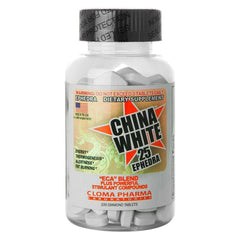
 Cloma Pharma | Methyldrene 25Cloma Pharma
- SuppVault Score
- 99/100
Key actives

Cloma Pharma
Old-school ephedra thermogenic support with added heat and stomach balance
$29.95 $39.95 SuppVault Summary
A high-stim thermogenic capsule built for aggressive fat-loss support, energy, and appetite control. It leans into an old-school stimulant profile with added heat and digestive support. Marketed around a 25mg classic thermogenic positioning.
Cloma Pharma publishes test results from independent third-party labs. Svpplements links to the manufacturer’s data — we don’t test products ourselves.
Discount applied automatically in cart.


Methyldrene is an acute thermogenic tool, not a performance-saturation formula. Adding daily creatine monohydrate gives you phosphocreatine support for strength, power, and lean-mass retention while dieting—an ideal complement when calories are low and training output matters.
Take creatine daily anytime; it does not need to be timed directly with Methyldrene.
Aggressive thermogenics can make users feel warmer and can pair with intense cardio or dieting phases where hydration slips. An electrolyte product helps maintain fluid balance, training quality, and general tolerance when using stimulant-based fat burners.
Use during training, cardio, or throughout the day alongside normal water intake.
The goal during a cut is not just fat loss but muscle retention. A high-quality protein product supports satiety and recovery while Methyldrene helps with energy and appetite control from the thermogenic side.
Use post-workout or between meals to help hit total daily protein targets.
Methyldrene is not built for nitric oxide, hydration, or muscular endurance support. Pairing it with a stim-free performance product lets you add ingredients like citrulline, betaine, or taurine without compounding stimulant load.
Take the pump formula 20-30 minutes pre-workout alongside Methyldrene only if you know your tolerance and the product is fully stimulant-free.
Likely the better pick if you want a more advanced version within the same brand family.
Very similar positioning and likely appeals to the same user wanting a classic high-stim thermogenic.
Better for stimulant-sensitive users who want thermogenesis without an aggressive stimulant load.
This may appeal more if you want a simpler, more straightforward thermogenic profile.
Side-by-side against the closest competitors. Score reflects clinical dosing, transparency, and testing.
Cloma Pharma | Methyldrene 25Cloma Pharma
 Cloma Pharma | Methyldrene Elite | 100 CapsulesCloma Pharma
Likely the better pick if you want a more advanced version within the same brand family.
Compare side-by-side → Cloma Pharma | Methyldrene | 100 CapsulesCloma Pharma
Very similar positioning and likely appeals to the same user wanting a classic high-stim thermogenic.
Compare side-by-side →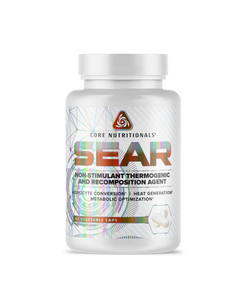 Core Nutritionals | Sear ThermoCore Nutritionals
Better for stimulant-sensitive users who want thermogenesis without an aggressive stimulant load.
Compare side-by-side →Comparison data combines live storefront pricing with our SuppVault analysis. Competitor scores reflect public-label data; manufacturer-side changes may not be reflected in real time.
Cloma Pharma Methyldrene is a stimulant-forward thermogenic built around an old-school fat-loss philosophy: drive sympathetic nervous system activity hard enough that the user actually feels a measurable shift in energy, heat, and appetite. This is not a modern “wellness” weight-management formula built on fiber, greens, and mild botanical support. It is a direct thermogenic capsule formula centered on ephedra, with cayenne and ginger included to reinforce the overall experience through heat signaling and GI support. For the right user, that means a more assertive fat-burner profile with a distinctly noticeable onset.
The headline ingredient is ephedra. Based on available product context, this product is marketed around 25mg ephedra, which sits right in the classic 20-24mg range often discussed in the literature for ephedrine-driven thermogenesis, though the verified extracted label data provided here does not disclose the exact amount on-panel. Mechanistically, ephedra’s active alkaloid profile is known for mixed sympathomimetic action: direct agonism at alpha- and beta-adrenergic receptors plus indirect promotion of norepinephrine release. In practical terms, that means increased metabolic rate, greater thermogenesis, stronger lipolytic signaling, appetite suppression, bronchodilation, and a very real increase in cardiovascular stimulation. Research consistently supports ephedrine’s ability to elevate energy expenditure and assist fat loss, especially in stimulant stacks, but the same body of evidence also documents the safety burden: increased heart rate, increased blood pressure, and meaningful cardiovascular and neurological risk. That matters, because this formula category is defined as much by user selection as by ingredient selection.
Cayenne adds a secondary thermogenic mechanism through capsaicin. Instead of acting primarily through adrenergic stimulation, capsaicin activates the TRPV1 receptor, creating the classic “heat” signal that can slightly increase sympathetic output, modestly increase fat oxidation, and help with appetite regulation in the short term. Clinical literature places effective capsaicin intake in the 1.2mg-12mg range, but this product’s exact cayenne standardization and dose are not disclosed in the verified label data, so its contribution should be viewed as mechanistically relevant but impossible to precisely benchmark against trials. What users tend to notice is a warmer body feel and a more pronounced thermogenic edge when combined with a central stimulant.
Ginger is the balancing ingredient here. Its active compounds, gingerols and shogaols, are well-supported for reducing nausea and improving gastric comfort through 5-HT3 antagonism and improved gastric motility, while also offering anti-inflammatory effects via COX and LOX pathway modulation. In a harsher stimulant-style formula, ginger serves an important quality-of-experience role. Clinical dosing for ginger typically lands in the 1-3g range, but again, this product does not disclose the exact amount, so it is best understood as supportive rather than something we can call clinically dosed from the available data.
As a system, the formula is straightforward: ephedra drives the heavy metabolic and stimulant load, cayenne layers in additional heat-signaling and thermogenic support, and ginger helps make the experience more tolerable from a digestive standpoint. There are no proprietary blends in the verified extraction, which is better than many products in this category, but there is still a transparency limitation because the amounts for the listed actives are not fully disclosed in the verified formula data provided here. Day 1, a qualified user should expect a fast, noticeable rise in stimulation, body heat, and appetite suppression. Over 2-4 weeks, the main practical benefit is better adherence to a calorie deficit through increased energy and reduced drive to eat, though stimulant tolerance can build and the risk profile does not disappear with familiarity.
Sympathomimetic thermogenic agents increase catecholaminergic signaling, especially norepinephrine activity at alpha- and beta-adrenergic receptors. That raises acute energy expenditure, lipolysis, and central nervous system arousal while often reducing subjective hunger. The same mechanisms that improve thermogenic drive also elevate cardiovascular strain, which is why tolerance and risk profile matter. In practice, these formulas are felt quickly because they act through direct neurostimulatory pathways rather than slow nutrient partitioning effects.
Cayenne-derived capsaicinoids primarily signal through TRPV1 receptors, which are involved in sensory heat perception and downstream thermogenic responses. This can modestly increase energy expenditure and amplify the subjective warming sensation of a fat burner. Capsaicin may also influence appetite and gastric processes, although effect size is usually smaller than the stimulant core. Gastrointestinal tolerance becomes the main limiting factor as dose rises.
Ginger contains bioactives such as gingerols and shogaols that influence gastric motility, nausea pathways, and inflammatory signaling. In stimulant-forward formulas, ginger is often valued less for direct fat loss and more for improving digestive comfort and reducing the harshness of the overall experience. It may also modestly support thermogenesis through catecholamine-related and sensory pathways. Its strongest evidence base remains GI support rather than acute body-composition change.
Acute thermogenic products create a noticeable experience because they combine central stimulation, peripheral adrenergic activity, and heat-signaling ingredients. Users often report faster onset of alertness, body warmth, and reduced appetite compared with milder wellness-style formulas. That perceptible response can improve diet adherence for some users, especially during low-calorie phases. However, perceived strength is not the same as long-term superiority without consistent calorie control and training.
Verified athletes can view NCAA, WADA, and high-school compliance status for this product.
* These statements have not been evaluated by the Food and Drug Administration. This product is not intended to diagnose, treat, cure, or prevent any disease. Consult your physician before use if you have a medical condition or take medications.
Drop your number and our team will instantly text you.
Our team is on it. Check your texts — real advice, real fast.
Secure sign in
Svpplements uses Shopify Customer Accounts for protected login, order history, and account data.