This product
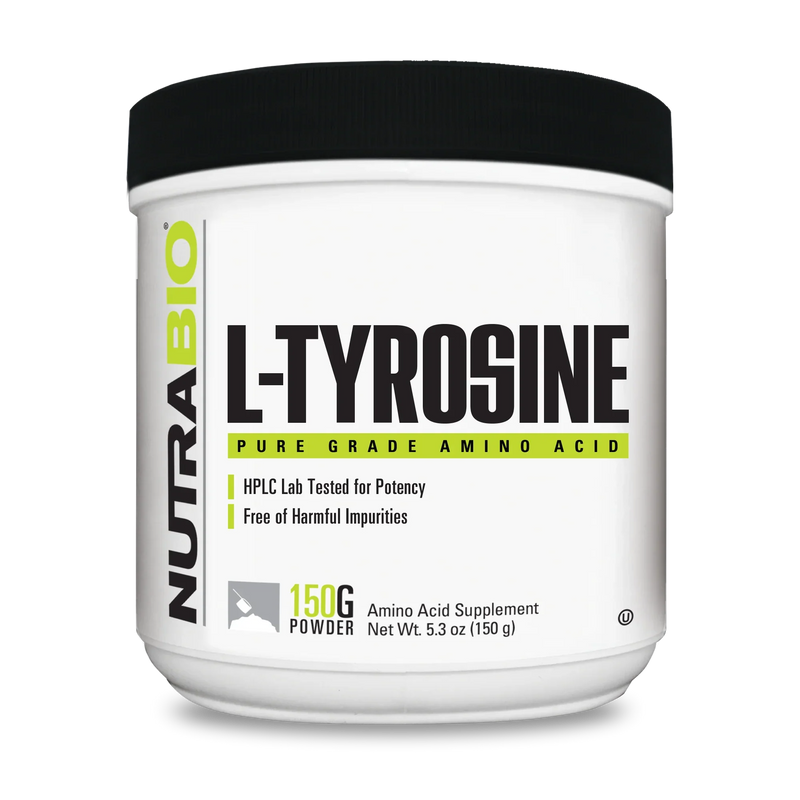
 NutraBio | L-Tyrosine | 300 ServingsNutraBio
- SuppVault Score
- 76/100
- Per serving
- $0.05
Key actives
Tested
NutraBio
Pure fermented L-Tyrosine with full-label, stackable precision
$14.99 $0.04/serving
Scored on what's in the tub, not the marketing.
The label is the formula. We score it either way.
Get Notified When Back in Stock
We'll email you once when this product is restocked. No spam.
Shop Similar Products
 79NutraBio
NutraBio | ALCAR | 45 Servings
$19.99
79NutraBio
NutraBio | ALCAR | 45 Servings
$19.99
 93NutraBio
NutraBio | Alpha GPC | 60 Servings
$27.99
93NutraBio
NutraBio | Alpha GPC | 60 Servings
$27.99
 90NutraBio
NutraBio | CAFFPlus | 60 Servings
$17.99
90NutraBio
NutraBio | CAFFPlus | 60 Servings
$17.99
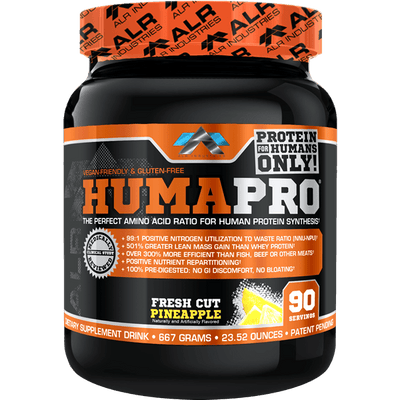
 66ALR Industries
ALR Industries | Humapro Aminos
$31.95
66ALR Industries
ALR Industries | Humapro Aminos
$31.95
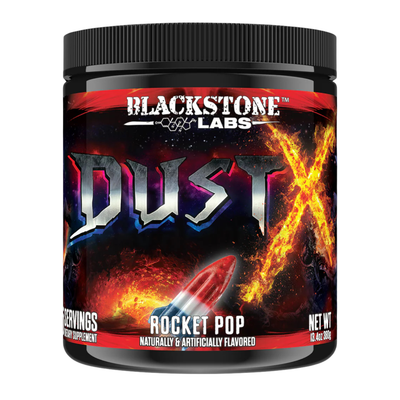
 76Blackstone Labs
Blackstone Labs | Dust-X Pre-Workout
$44.95
76Blackstone Labs
Blackstone Labs | Dust-X Pre-Workout
$44.95
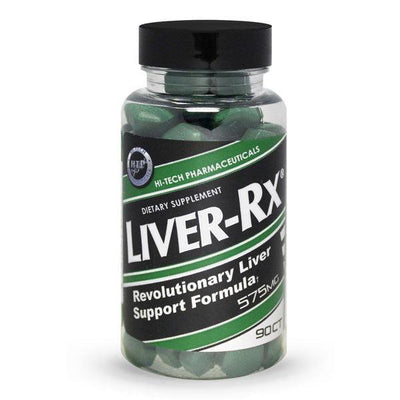
 53Hi-Tech Pharmaceuti...
Hi-Tech Pharmaceuticals | Liver-RX
$19.95
SuppVault Summary
53Hi-Tech Pharmaceuti...
Hi-Tech Pharmaceuticals | Liver-RX
$19.95
SuppVault Summary
A clean, single-ingredient L-tyrosine powder for focus-oriented stacks and mentally demanding sessions. It delivers 500mg fermented L-tyrosine per scoop with full label transparency and no filler-heavy blend logic. Best used for controllable catecholamine precursor support, especially alongside caffeine.
| Ingredient | Amount Per Serving | % Daily Value |
|---|---|---|
| L-Tyrosine | 500 mg | † |
† Daily Value (DV) not established for this ingredient.
NutraBio publishes test results from independent third-party labs. Svpplements links to the manufacturer’s data — we don’t test products ourselves.
Discount applied automatically in cart.


Tyrosine targets focus and catecholamine support, while creatine supports phosphocreatine replenishment for high-intensity energy output. The combination covers mental readiness and muscular performance without unnecessary overlap.
Take tyrosine 30-60 minutes before training or mental work; take creatine daily any time, ideally consistently.
This is the most logical pairing because caffeine increases catecholamine activity and L-tyrosine provides precursor support for catecholamine synthesis. It is a classic stack design for users who want focus support beyond stimulant intensity alone.
Take together 30-45 minutes before training, studying, or demanding work.
Tyrosine addresses the neural side of readiness, while electrolytes support fluid balance, nerve transmission, and training quality. This is an especially smart stack for long sessions, hot environments, or physically demanding work shifts.
Take tyrosine pre-activity; sip electrolytes before and during training or throughout the workday.
A pump formula addresses blood flow and muscular performance, while tyrosine supports cognitive readiness and stress-demand focus. Together, they create a more complete pre-workout experience without forcing heavy stimulant exposure.
Take both 30-45 minutes pre-workout.
Vitamin B6 is a key cofactor in catecholamine synthesis, and broader B-vitamin support can complement neurotransmitter-related pathways. This is not mandatory, but it is a sensible stack for users building a more complete focus-support routine.
Take the B-complex with a meal; use tyrosine when needed before mental or training demands.
Very similar single-ingredient tyrosine positioning with comparable use case and transparency.
Better fit if you want a more clearly nootropic-leaning standalone cognitive ingredient.
Likely stronger acute focus support, though at a much higher cost per serving.
Better for buyers wanting stimulant-free flexibility and precise stack control.
Side-by-side against the closest competitors. Score reflects clinical dosing, transparency, and testing.
NutraBio | L-Tyrosine | 300 ServingsNutraBio
 NutraBio | L-Tyrosine | 300 ServingsNutraBio
Very similar single-ingredient tyrosine positioning with comparable use case and transparency.
Compare side-by-side → NutraBio | ALCAR | 45 ServingsNutraBio
Better fit if you want a more clearly nootropic-leaning standalone cognitive ingredient.
Compare side-by-side → NutraBio | Alpha GPC | 60 ServingsNutraBio
Likely stronger acute focus support, though at a much higher cost per serving.
Compare side-by-side →Comparison data combines live storefront pricing with our SuppVault analysis. Competitor scores reflect public-label data; manufacturer-side changes may not be reflected in real time.
NutraBio L-Tyrosine Pure Grade Amino Acid is a minimalist, single-ingredient amino formula built around one objective: delivering free-form L-tyrosine in a clean, fully disclosed powder with no fillers, excipients, or proprietary blending. That matters because tyrosine is not a “kitchen sink” performance ingredient. It is a targeted precursor amino acid used when you want direct control over catecholamine support, especially in stacks focused on focus, stress resilience, or training sessions where mental sharpness matters as much as raw stimulation.
L-tyrosine is the dietary precursor to catecholamines, including dopamine, norepinephrine, and epinephrine. In practical terms, that means it supplies raw material for neurotransmitter pathways involved in alertness, motivation, attention, and stress response. This is why tyrosine shows up so often in nootropic and pre-workout formulas alongside caffeine: caffeine increases catecholamine activity, while tyrosine provides substrate for catecholamine synthesis. That synergy is mechanistically strong, even though the combination has not been directly validated in isolated L-tyrosine-plus-caffeine RCTs in the provided data.
At 500 mg per serving, this product gives you a conservative, flexible entry dose. That is below the multi-gram amounts used in several acute research settings. The provided literature includes 2 g in healthy adults affecting autonomic arousal and decision-making under cognitive load, and much higher doses such as 10 g in older adults for thermoregulation during cold exposure. Other exercise-focused work used bodyweight-based dosing as high as 150 mg/kg and did not improve endurance performance in trained cyclists. The honest takeaway: L-tyrosine is not a universally reliable ergogenic aid for endurance output, and this 500 mg serving is not a full clinical dose relative to the higher-dose literature. Where it does make sense is precision stacking and tolerance-based dosing. Because this is a pure powder with 300 servings, users can scale intake upward if desired rather than being locked into a fixed, high-dose capsule.
What should you expect to feel? On its own, 500 mg is subtle. This is not the kind of ingredient that hits like caffeine in 15 minutes. Most users will notice it more in context: smoother focus when paired with coffee or a pre-workout, better mental steadiness under demanding work, and cleaner stack customization for long days or evening training where full stimulant formulas are too much. It is a support ingredient, not a dramatic sensory one.
Synergy-wise, L-tyrosine works best as part of a broader neurotransmitter-support strategy. Caffeine is the obvious partner because of the catecholamine relationship. B-vitamins, especially B6, also matter as enzymatic support within the pathway. As a standalone product, this formula gives you the advantage of adding tyrosine only when your stack actually needs it.
From a transparency standpoint, this is exactly what informed buyers want in a single-ingredient amino: full label disclosure, one active, no proprietary blend, and no inactive filler burden. Category-wide, many cognitive support products hide tyrosine inside blends that make it impossible to know whether you are getting 250 mg or 2 g. Here, every milligram is disclosed.
Day 1, expect a mild, stack-friendly support effect rather than a dramatic kick. Over 2-4 weeks, there is no loading phenomenon like creatine or beta-alanine; the value here is consistency, convenience, and the ability to dose tyrosine strategically whenever stress, cognitive demand, or stimulant use is highest.
L-tyrosine functions as a substrate upstream of L-DOPA, dopamine, norepinephrine, and epinephrine synthesis. Its relevance is most pronounced when catecholamine demand is elevated by stress, sleep loss, cognitive load, or stimulant use. In those contexts, precursor availability can become one limiting factor in maintaining neurotransmitter output. That is why tyrosine is often positioned as a support ingredient for focus and stress resilience rather than a direct stimulant.
Tyrosine does not act like caffeine, because it does not directly antagonize adenosine receptors or rapidly increase perceived arousal. Instead, it supports biochemical supply lines for neurotransmitter production, so the subjective effect is usually smoother and more conditional. Users often notice it most when paired with caffeine or during demanding tasks rather than at rest. This context-dependent profile also explains why lower doses can feel modest as standalone use.
The literature on tyrosine is mixed partly because study designs vary widely, from fixed gram doses to bodyweight-based protocols. Much of the stronger performance or stress-resilience data uses higher intake than 500mg, which makes this serving more conservative than many research settings. That does not make the dose useless; it makes it more stack-friendly and easier to personalize. The main scientific caveat is that expected benefit scales heavily with context and total dose.
Caffeine increases alertness through adenosine antagonism and indirectly increases catecholaminergic signaling. Tyrosine complements that pathway by providing precursor support for the same neurotransmitter family, creating a mechanistically coherent stack. The goal is not necessarily more stimulation, but smoother mental performance under demand. This is why many users prefer tyrosine around coffee or pre-workout rather than as a completely standalone product.
Verified athletes can view NCAA, WADA, and high-school compliance status for this product.
* These statements have not been evaluated by the Food and Drug Administration. This product is not intended to diagnose, treat, cure, or prevent any disease. Consult your physician before use if you have a medical condition or take medications.
Drop your number and our team will instantly text you.
Our team is on it. Check your texts — real advice, real fast.
Secure sign in
Svpplements uses Shopify Customer Accounts for protected login, order history, and account data.