

This product
 Panda Supps | Fuel Protein | 25 ServingsPanda Supps
- SuppVault Score
- 88/100
- Per serving
- $2.2
Key actives
Tested

Panda Supps
30g multi-stage protein with collagen and digestion support built in
$54.95 $59.99$2.19/serving
Get Notified When Back in Stock
We'll email you once when this product is restocked. No spam.
Shop Similar Products
 70Core Nutritionals
Core Nutritionals | Protron Protein | 24 Serv...
$49.99
70Core Nutritionals
Core Nutritionals | Protron Protein | 24 Serv...
$49.99
 75Black Magic Supply
Black Magic Supply | Multi-Source Protein
$44.95
75Black Magic Supply
Black Magic Supply | Multi-Source Protein
$44.95
 68Axe & Sledge
Axe & Sledge | A&S Farm Fed Protein | 28 Serv...
$54.95
68Axe & Sledge
Axe & Sledge | A&S Farm Fed Protein | 28 Serv...
$54.95
 70Hi-Tech Pharmaceuti...
Hi-Tech Pharmaceuticals | Winstrol 90ct | 90 ...
$59.95
70Hi-Tech Pharmaceuti...
Hi-Tech Pharmaceuticals | Winstrol 90ct | 90 ...
$59.95
 97Enhanced
Enhanced | Blue Ox | 150 Capsules
$29.90
97Enhanced
Enhanced | Blue Ox | 150 Capsules
$29.90
 90Bucked Up
Bucked Up | Pre Workout | 30 Servings
$42.95
SuppVault Summary
90Bucked Up
Bucked Up | Pre Workout | 30 Servings
$42.95
SuppVault Summary
Panda Supps Fuel is a multi-stage protein blend built for recovery, not just macros. It delivers 30g protein in the clinically aligned range for muscle protein synthesis, with added collagen, probiotics, and digestive enzymes for broader daily support.
Panda Supps publishes test results from independent third-party labs. Svpplements links to the manufacturer’s data — we don’t test products ourselves.
Discount applied automatically in cart.


Fuel handles amino acid delivery and recovery feeding, while creatine covers phosphocreatine replenishment for repeated high-intensity effort. This is one of the cleanest and most evidence-based stacks in sports nutrition because protein supports muscle repair and creatine supports training output and long-term strength adaptation.
Take creatine daily at any time; mixing it into your Fuel shake post-workout is practical and effective.
If you are especially concerned about maximizing anabolic signaling around training, an EAA or leucine-rich formula can complement a blended protein by increasing the availability of key essential amino acids. This is most useful when meals are spaced far apart or when you want to reinforce the muscle protein synthesis signal around workouts.
Use during training or alongside/post-workout with Fuel depending on your meal schedule.
Fuel already includes collagen conceptually, but the exact amount is not fully disclosed in the available data. A dedicated collagen product paired with vitamin C makes sense if your primary goal is more intentional tendon, ligament, skin, or connective tissue support beyond what this formula may provide.
Take separately once daily, ideally away from or alongside meals depending on your routine.
Protein drives muscle repair, but glycogen restoration still matters after hard training, especially for high-volume lifters and athletes training multiple sessions per week. Pairing Fuel with a fast-digesting carbohydrate source creates a more complete post-workout recovery strategy by covering both amino acid delivery and energy replenishment.
Use immediately after training with Fuel on high-volume or glycogen-depleting training days.
They likely win on label transparency and isolate purity if you want a leaner single-source protein.
Both target blended-protein users, with Fuel standing out for collagen and digestive support.
Fuel has a stronger recovery angle with collagen plus added digestion-focused support.
They suit users wanting a simpler isolate profile, while Fuel better fits all-in-one recovery use.
Side-by-side against the closest competitors. Score reflects clinical dosing, transparency, and testing.
Panda Supps | Fuel Protein | 25 ServingsPanda Supps
 Raw Nutrition | CBUM Itholate | 25 ServingsRaw Nutrition
They likely win on label transparency and isolate purity if you want a leaner single-source protein.
Compare side-by-side → Core Nutritionals | Protron Protein | 24 ServingsCore Nutritionals
Both target blended-protein users, with Fuel standing out for collagen and digestive support.
Compare side-by-side → Black Magic Supply | Multi-Source ProteinBlack Magic Supply
Fuel has a stronger recovery angle with collagen plus added digestion-focused support.
Compare side-by-side →Comparison data combines live storefront pricing with our SuppVault analysis. Competitor scores reflect public-label data; manufacturer-side changes may not be reflected in real time.
Panda Supps Fuel Premium Protein is positioned as a feature-rich blended protein rather than a bare-bones whey isolate. The formulation strategy is straightforward and smart in concept: deliver a research-aligned 30g protein serving for muscle protein synthesis, add collagen for connective tissue support, and round the formula out with probiotics and digestive enzymes to improve day-to-day usability. Based on brand-sourced formula context, this appears to be a multi-stage protein system rather than a single-speed protein powder, which matters for users who want both immediate post-training amino acid availability and a more sustained release profile.
The most important number here is the 30g protein dose. That sits directly in the 20-30g clinical range consistently used in the literature to stimulate muscle protein synthesis through the mTOR pathway. In practical terms, this is the dose range that reliably gives the body enough essential amino acids to turn on the recovery and rebuilding process after training. Protein is one of the most validated tools in all of sports nutrition, with extensive human evidence supporting its role in muscle repair, lean mass retention, satiety, and training recovery. What you feel from a correctly dosed protein serving is not a stimulant-like “kick,” but a more complete recovery picture: less scrambling to hit macros, better meal quality, and improved readiness for the next session when intake is consistent.
Collagen is where this formula broadens beyond standard gym protein. The label positioning indicates grass-fed/pasture-fed collagen, but the exact amount is not fully disclosed in the verified actives data here. Clinical context matters: hydrolyzed collagen is typically studied around 2.5-10g for skin and connective tissue applications, while undenatured type II collagen is a very different ingredient used at about 40mg for oral tolerance and joint-focused effects. If Fuel is providing the commonly marketed 5g collagen inclusion, that is a meaningful adjunct for connective tissue support, but it should not be confused with complete muscle-building protein. Collagen is rich in glycine, proline, and hydroxyproline, which support extracellular matrix and connective tissue health, but it is an incomplete protein and not a substitute for whey or casein when the goal is maximizing muscle protein synthesis.
The probiotic blend and digestive enzymes are conceptually useful in this category, especially for users who struggle with higher daily protein intakes. Enzymes can help break down protein fractions more efficiently, while probiotics may support broader gut tolerance and digestive comfort over time. The limitation is dose transparency: without disclosed amounts or strain details for the probiotic blend, we cannot benchmark them against clinically studied ranges.
As a system, the formula makes sense. A multi-stage protein base drives recovery, collagen adds a connective tissue angle, and the digestion support ingredients are there to make daily compliance easier. The transparency score is mixed. Panda does disclose the headline actives, and this is not presented as a proprietary blend in the classic sense, but the lack of a fully available Supplement Facts panel and undisclosed quantities for collagen, probiotics, and enzymes limits precise clinical grading. That honesty matters.
What should you expect? Day 1, expect a solid protein feeding that can function post-workout, between meals, or before a long gap without food. Over 2-4 weeks, the value shows up in consistent protein adherence, better recovery support, easier daily macro execution, and potentially improved connective tissue comfort if collagen intake is meaningful and the formula is used regularly.
A 20 to 40 gram protein feeding generally provides enough essential amino acids, especially leucine, to activate mTORC1 signaling and initiate muscle protein synthesis after training. In resistance-trained adults, 20 to 30 grams is a common practical target for maximizing the anabolic response in many contexts. A 30 gram serving therefore sits squarely in the evidence-based range for post-workout recovery feeding. Repeated adequate protein feedings across the day matter more than any single serving alone.
Blended protein systems are designed to combine faster and slower digestion rates, which can change the time course of amino acid appearance in circulation. Whey-rich fractions tend to raise plasma amino acids rapidly, while slower proteins such as casein can extend amino acid availability. This does not make blends universally superior, but it can improve satiety and broaden use cases beyond a strictly immediate post-workout window. For many users, the practical benefit is a more versatile protein feeding.
Hydrolyzed collagen supplies glycine, proline, and hydroxyproline-rich peptides that preferentially support extracellular matrix turnover rather than directly driving muscle protein synthesis. Its main value in sports nutrition is connective tissue support, especially when training volume places repetitive load on tendons, ligaments, and joint structures. Benefits are typically cumulative and depend on adequate total intake over time. Collagen is therefore best viewed as complementary to complete protein, not a replacement for it.
Probiotics and digestive enzymes are often included to improve formula usability rather than to create an acute ergogenic effect. Enzymes may help break down dietary protein and other macronutrients, while probiotics can support gastrointestinal comfort and microbial balance in some users. The outcome most people notice is better tolerance, less heaviness, and easier adherence to regular protein intake. Their value is practical consistency, not dramatic short-term performance enhancement.
Verified athletes can view NCAA, WADA, and high-school compliance status for this product.
* These statements have not been evaluated by the Food and Drug Administration. This product is not intended to diagnose, treat, cure, or prevent any disease. Consult your physician before use if you have a medical condition or take medications.
Drop your number and our team will instantly text you.
Our team is on it. Check your texts — real advice, real fast.
 70
70
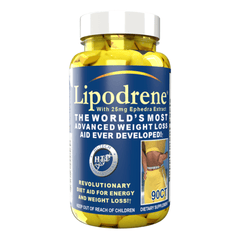
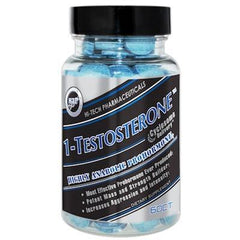
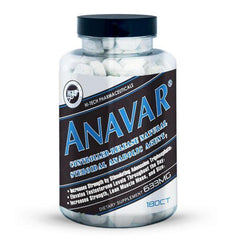 64
64
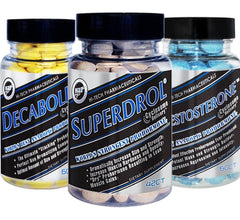 97
97
 69
69
 64
64
 87
87
Higher-scoring formulas the brain ranks above this product.
Secure sign in
Svpplements uses Shopify Customer Accounts for protected login, order history, and account data.
