This product
 RYSE | Plant Protein | 20 ServingsRYSE
- SuppVault Score
- 58/100
- Per serving
- $2.15
Key actives
Tested
RYSE
20g multi-source plant protein with daily-use recovery support
$42.99 $2.14/serving
This one scores 58. We sell it anyway — you decide.
The label is the formula. We score it either way.
Get Notified When Back in Stock
We'll email you once when this product is restocked. No spam.
Shop Similar Products
 70RYSE
RYSE | Loaded Protein | 27 Servings
$44.99
70RYSE
RYSE | Loaded Protein | 27 Servings
$44.99
 75Raw Nutrition
Raw Nutrition | Vegan Protein | 25 Servings
$49.95
75Raw Nutrition
Raw Nutrition | Vegan Protein | 25 Servings
$49.95
 80Enhanced
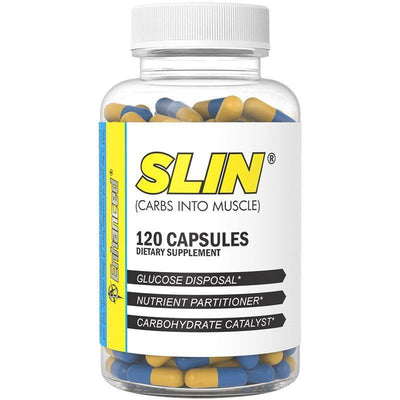
Enhanced | Slin 120ct | 120 Capsules
$39.99
80Enhanced
Enhanced | Slin 120ct | 120 Capsules
$39.99
 90Bucked Up
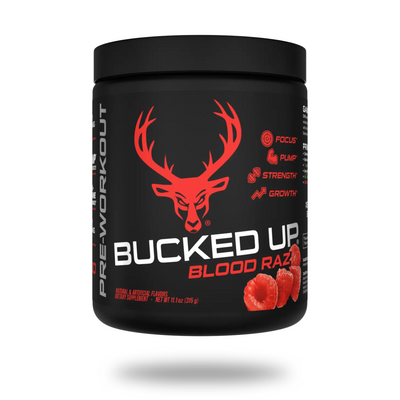
Bucked Up | Pre Workout | 30 Servings
$42.95
90Bucked Up
Bucked Up | Pre Workout | 30 Servings
$42.95
 90Insane Labz
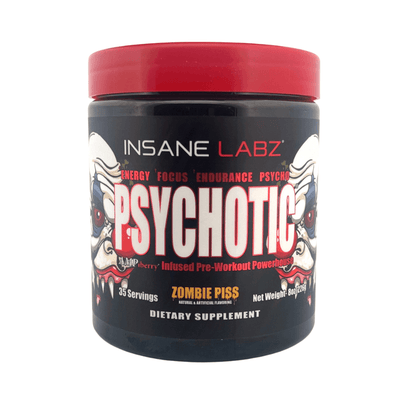
Insane Labz | Psychotic | 35 Servings
$29.95
90Insane Labz
Insane Labz | Psychotic | 35 Servings
$29.95
 90Bucked Up
Bucked Up | Woke AF
$52.95
SuppVault Summary
90Bucked Up
Bucked Up | Woke AF
$52.95
SuppVault Summary
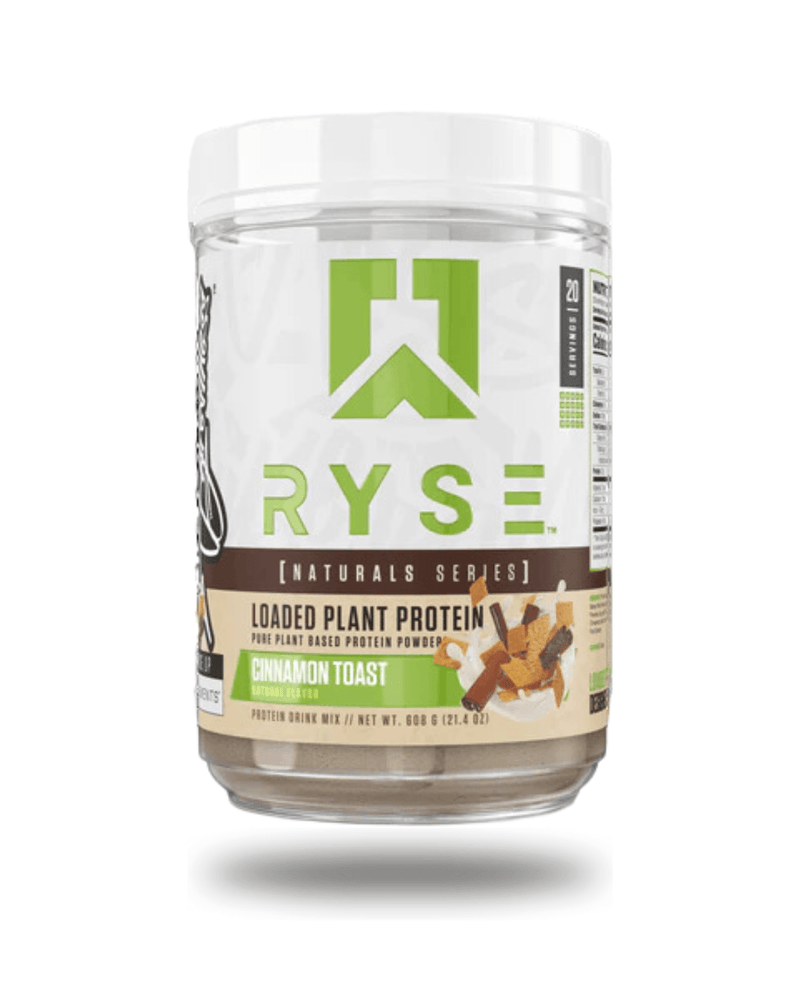
RYSE Loaded Plant Protein Natural Series is a taste-forward, dairy-free protein built for daily adherence. It delivers 20g of multi-source plant protein from pea, chickpea, and barley rice proteins. Best for convenient recovery support, not advanced amino-acid engineering.
| Ingredient | Amount Per Serving | % Daily Value |
|---|---|---|
| Plant Protein Blend | 20g total protein | † |
| Vitamin D | Amount not disclosed | † |
| Calcium | 110mg | † |
| Iron | 4.7mg | † |
| Potassium | 60mg | † |
| Organic Agave Inulin | Not disclosed | † |
| MCTs | Not disclosed | † |
† Daily Value (DV) not established for this ingredient.
RYSE publishes test results from independent third-party labs. Svpplements links to the manufacturer’s data — we don’t test products ourselves.
Discount applied automatically in cart.


This is the cleanest performance stack with a plant protein. RYSE Loaded Plant Protein covers amino acid intake for recovery, while creatine increases phosphocreatine availability to support repeated high-intensity efforts, strength output, and training volume.
Take creatine daily anytime; add it to this shake post-workout or with a meal.
This protein powder handles protein intake, but it is not a broad-spectrum micronutrient formula. A greens product can complement the shake by adding phytonutrients, additional digestive support, and broader wellness coverage that the protein formula does not attempt to provide.
Take greens separately in the morning or with another meal; use this protein post-workout or between meals.
Protein supports muscle recovery, but omega-3s support overall cardiovascular health, inflammatory balance, and cell membrane function. This is a strong stack for users building a simple, sustainable daily foundation rather than chasing flashy ingredient panels.
Take omega-3s with a meal containing fat; use this protein whenever you need to cover a protein gap.
This formula includes only small amounts of potassium and is not intended as a full hydration product. If you sweat heavily, adding a dedicated electrolyte formula covers sodium, potassium, and fluid balance while this shake remains focused on recovery protein.
Use electrolytes during or after training; use this protein immediately after or later as a meal bridge.
If you are sensitive to plant proteins or prebiotic fibers, a digestive support product can improve comfort and consistency. That makes it easier to use the protein daily, which is the real determinant of whether a powder helps your routine.
Take digestive support with the shake or with meals as directed.
If you tolerate dairy, their whey-based profile is typically stronger for muscle-building efficiency.
Both target plant-based recovery, with the decision usually coming down to flavor preference and texture.
RYSE has stronger brand momentum in performance nutrition and a more gym-oriented recovery positioning.
This formula stands out more for mainstream flavor appeal and convenient daily-use positioning.
Side-by-side against the closest competitors. Score reflects clinical dosing, transparency, and testing.
RYSE | Plant Protein | 20 ServingsRYSE
 RYSE | Loaded Protein | 27 ServingsRYSE
If you tolerate dairy, their whey-based profile is typically stronger for muscle-building efficiency.
Compare side-by-side → Raw Nutrition | Vegan Protein | 25 ServingsRaw Nutrition
Both target plant-based recovery, with the decision usually coming down to flavor preference and texture.
Compare side-by-side →RYSE has stronger brand momentum in performance nutrition and a more gym-oriented recovery positioning.
Compare side-by-side →Comparison data combines live storefront pricing with our SuppVault analysis. Competitor scores reflect public-label data; manufacturer-side changes may not be reflected in real time.
RYSE Loaded Plant Protein Natural Series is best understood as a taste-forward, convenience-focused plant protein designed to make daily protein adherence easier, not as a hyper-engineered muscle-building formula built around disclosed leucine fortification or novel ergogenics. The core identity here is simple: 20g of plant protein per 30.4g scoop from a blend of pea protein, chickpea protein isolates, and barley rice protein, supported by added MCTs and prebiotic fiber according to retailer-sourced label context. That multi-source strategy matters because single-source plant proteins often struggle with either texture, amino acid balance, or digestibility. By combining legume- and grain-derived proteins, the formula is designed to improve mouthfeel and broaden amino acid coverage compared with a straight pea isolate product.
On the disclosed micronutrient side, calcium is present at 110mg. That is not a standalone clinical calcium dose relative to the 1,000-1,200mg daily intake range associated with total nutritional adequacy, but it is still useful context in a dairy-free protein powder. Calcium is not just a bone mineral; intracellularly it functions as a critical signaling ion in muscle contraction, nerve transmission, and blood coagulation. In practical terms, this amount modestly contributes to daily intake and makes more sense because the formula also contains vitamin D, even though the exact vitamin D amount is not disclosed on the extracted label data. That pairing is physiologically relevant because vitamin D improves calcium handling and is one of calcium’s best-established nutrient synergies.
Iron is listed at 4.7mg, which is meaningful in a plant protein formula. Iron is essential for hemoglobin and myoglobin formation, the proteins that move oxygen through the blood and store it in muscle tissue. While 4.7mg is below therapeutic iron dosing used to correct deficiency, it is still a respectable nutritional contribution in a protein powder and can matter for plant-based users who often pay closer attention to iron intake. What you experience is not an acute “energy hit,” but better support for the oxygen-transport side of overall nutrition when the rest of the diet is aligned.
Potassium is listed at 60mg. This is well below the 2,600-3,400mg daily adequate intake range from total diet, so it should be viewed as a minor supportive addition rather than a true electrolyte formula. Mechanistically, potassium helps maintain membrane potential, nerve signaling, and muscle contraction. In a protein product, this amount is best seen as nutritional background support rather than a primary reason to buy.
The biggest limitation is transparency on the protein blend itself. There is no proprietary blend flag in the data provided, but individual amounts of pea, chickpea, barley rice protein, MCTs, and inulin are not disclosed, and there is no amino acid panel or leucine standardization. That matters because the best plant proteins either disclose amino acid totals or fortify leucine/EAAs to better match whey’s muscle protein synthesis profile. So the formula earns credit for a sensible multi-source plant base and honest, usable daily protein delivery, but it does not qualify as elite from a formulation-transparency standpoint.
What should you expect? Day 1, you get a convenient 20g plant protein serving with a generally more rounded texture profile than pure pea protein products often offer. Over 2-4 weeks of consistent use, the real benefit is cumulative: easier adherence to daily protein targets, more reliable post-training recovery nutrition, and a more sustainable way to keep protein intake high if dairy does not agree with you or you prefer plant-based supplementation.
Blending legume and grain proteins can improve amino acid complementarity versus relying on a single plant source. Pea and chickpea proteins help support lysine content, while grain-derived protein can broaden the overall profile. The practical advantage is not just theoretical amino acid balance, but often better texture, drinkability, and compliance. In real-world sports nutrition, adherence often determines outcomes as much as formulation nuance.
Protein intake supports muscle protein turnover, tissue repair, and fullness between meals. A 20 gram serving is enough to make a meaningful contribution toward total daily intake, especially for users who miss protein targets with food alone. While exact anabolic impact depends on leucine and essential amino acid content, the bigger mechanism here is improved consistency. Convenient protein feeding reduces underconsumption across the day, which is strongly linked to better recovery nutrition habits.
Vitamin D helps regulate calcium absorption and broader skeletal physiology. In a dairy-free protein, even modest calcium inclusion can improve the product’s nutritional utility for users who consume less dairy overall. The acute workout effect is minimal, but the long-term relevance is structural support rather than immediate performance. The limitation here is that the vitamin D amount is not disclosed, so strength of dosing cannot be verified.
Iron is essential for oxygen transport, red blood cell function, and normal energy metabolism. Plant-based eaters can have greater interest in iron intake because dietary patterns may differ in both quantity and bioavailability compared with omnivorous diets. The dose here contributes meaningfully but does not reach standard supplemental ranges used for deficiency correction. That makes it a supportive inclusion, not a therapeutic iron product.
Verified athletes can view NCAA, WADA, and high-school compliance status for this product.
* These statements have not been evaluated by the Food and Drug Administration. This product is not intended to diagnose, treat, cure, or prevent any disease. Consult your physician before use if you have a medical condition or take medications.
Drop your number and our team will instantly text you.
Our team is on it. Check your texts — real advice, real fast.
Higher-scoring formulas the brain ranks above this product.
Secure sign in
Svpplements uses Shopify Customer Accounts for protected login, order history, and account data.