This product
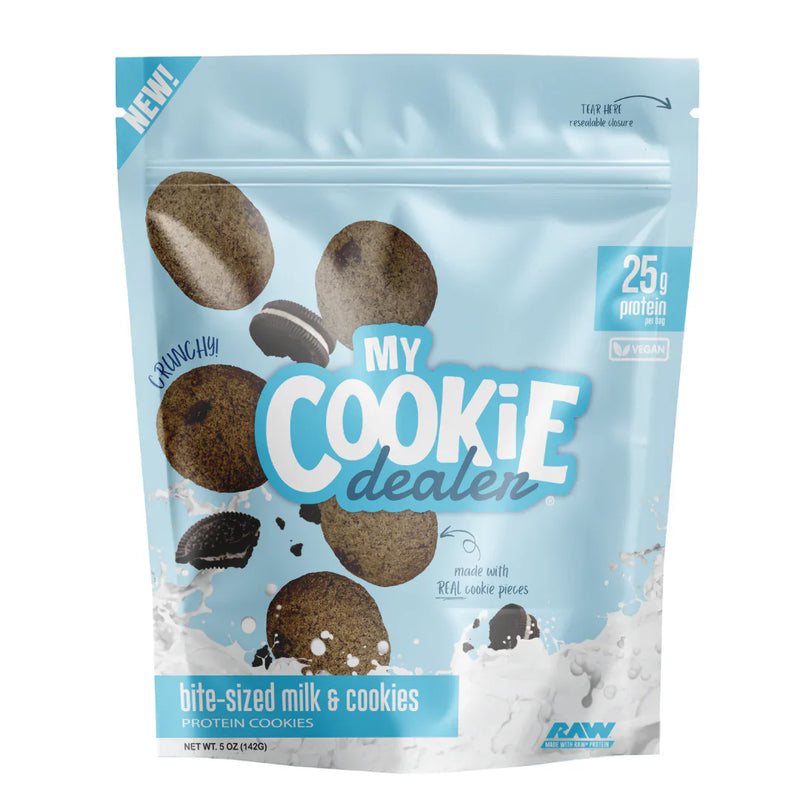
 My Cookie Dealer | Protein Cookies | 5 ServingsMy Cookie Dealer
- SuppVault Score
- 51/100
- Per serving
- $1.3
Key actives
Tested
My Cookie Dealer
A crunchy protein-forward cookie, not just another empty snack.
$6.49 $1.29/serving
This one scores 51. We sell it anyway — you decide.
The label is the formula. We score it either way.
SuppVault Summary
A protein-fortified cookie snack designed more for adherence than precision sports nutrition. It delivers about 5g protein per 4-cookie serving and roughly 25g per bag, making it more functional than a standard sweet but not a full protein shake replacement.
| Ingredient | Amount Per Serving | % Daily Value |
|---|---|---|
| Vegan protein blend (vital wheat gluten, pea protein) | Amount not disclosed | † |
| Inulin | Amount not disclosed | † |
| Calcium | Amount not disclosed | † |
| Vitamin D | Amount not disclosed | † |
| Iron | 0.8mg | † |
| Potassium | 10mg | † |
† Daily Value (DV) not established for this ingredient.
My Cookie Dealer publishes test results from independent third-party labs. Svpplements links to the manufacturer’s data — we don’t test products ourselves.
Discount applied automatically in cart.


This is the cleanest way to turn the cookies from a protein-forward snack into a more complete high-protein feeding. A shake supplying 20-30g protein complements the cookie's smaller protein contribution and creates a much stronger muscle-recovery and satiety profile.
Use alongside the cookies as a snack or within 1 hour post-workout
The cookies are convenient food energy and adherence support, but they do not provide the foundational ergogenic support that creatine does. Pairing daily creatine with this snack supports ATP regeneration and long-term strength adaptation while the cookies help maintain overall nutrition consistency.
Take creatine daily any time; cookies can be used separately as needed
Because this is still a processed snack food, pairing it with a greens formula can help round out broader micronutrient and phytonutrient intake. This works especially well for busy users who rely on convenience foods more often than they would like.
Use greens earlier in the day; cookies as a snack between meals
The potassium content here is negligible for hydration support, so a real electrolyte formula fills an entirely different role. This pairing makes sense for athletes who want a practical snack plus meaningful fluid and mineral support around training.
Use electrolytes during or around training; cookies before or after based on appetite
Both serve the same dessert-style protein snack role, with choice mainly coming down to preferred format.
It wins for higher protein efficiency per serving and a more supplement-like recovery profile.
Both are protein-forward snack foods built around taste and convenience more than lean macro efficiency.
It generally offers more concentrated protein per serving if your priority is hitting macros.
Side-by-side against the closest competitors. Score reflects clinical dosing, transparency, and testing.
My Cookie Dealer | Protein Cookies | 5 ServingsMy Cookie Dealer
 My Cookie Dealer | MCD Protein Cookie | 1 ServingsMy Cookie Dealer
Both serve the same dessert-style protein snack role, with choice mainly coming down to preferred format.
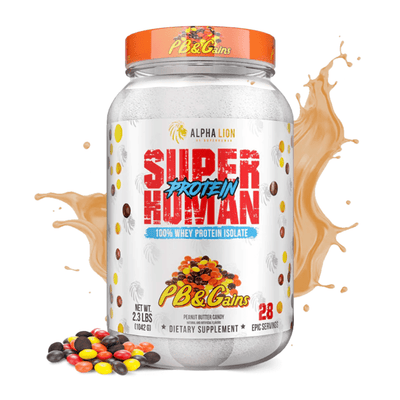
Compare side-by-side → Alpha Lion | Protein ISO | 28 ServingsAlpha Lion
It wins for higher protein efficiency per serving and a more supplement-like recovery profile.
Compare side-by-side → Alpha Prime Supps | Prime Bites | Mini Protein MuffinsAlpha Prime Supps
Both are protein-forward snack foods built around taste and convenience more than lean macro efficiency.
Compare side-by-side →Comparison data combines live storefront pricing with our SuppVault analysis. Competitor scores reflect public-label data; manufacturer-side changes may not be reflected in real time.
My Cookie Dealer Bite Sized Protein Cookies are best understood as a protein-fortified snack food, not a precision-dosed sports nutrition formula. That distinction matters. The formulation strategy here is clearly built around making a cookie people actually want to eat first, then improving its nutritional profile with a vegan protein blend and fiber rather than engineering a lean, highly efficient protein delivery system. Based on the available data, this product appears to deliver roughly 5g protein per 4-cookie serving and about 25g protein per full bag, which places it in the “protein snack” category rather than the “protein replacement” category.
The most meaningful functional ingredient disclosed outside the standard nutrition panel is the vegan protein blend of vital wheat gluten and pea protein. From a formulation standpoint, that combination makes sense in a crunchy cookie format. Vital wheat gluten contributes structure, chew/crisp texture, and a concentrated protein source, while pea protein broadens the amino acid profile and helps increase total protein content. What the user experiences is straightforward: better satiety and a more substantial snack than a standard cookie, with some meaningful contribution toward total daily protein intake. What this does not mean is that each serving provides a clinically robust anabolic dose comparable to a full serving of whey isolate or a complete protein shake.
Inulin is another notable inclusion. Inulin is a prebiotic fiber often used to improve texture and support digestive function while modestly improving fullness. In practical terms, it can make this snack feel more satisfying than a conventional sugar-fat cookie, though tolerance varies by individual and some users may notice gas or bloating if they are sensitive to fermentable fibers.
The listed micronutrients are nutritionally present but not performance-relevant at the disclosed levels. Iron is listed at 0.8mg, which is a real nutrient contribution but far below the dosing used in iron-repletion protocols from the literature. Potassium is only 10mg, which is nutritionally trivial relative to the intakes associated with hydration or blood pressure support. Vitamin D and calcium are present but their amounts are not disclosed in the supplied data, which prevents any meaningful dose analysis. That is the central limitation of this product page from a clinical perspective: there is no fully detailed supplement-style panel with complete, verifiable micronutrient quantities.
Synergy here is food-formulation synergy more than ergogenic synergy. The protein blend plus inulin helps move the cookie toward better satiety and a more balanced snack profile, while the flour, sugars, oils, and chocolate components maintain palatability. Transparency is mixed. There is no proprietary blend, which is a positive, but there is still incomplete dose disclosure for several listed micronutrients and limited publicly available label data overall.
What should you expect? On day one, you get a convenient, sweet, crunchy snack that offers more protein than a standard cookie and can help bridge long gaps between meals. Over 2-4 weeks, the main benefit is behavioral consistency: easier adherence to protein-conscious eating when cravings hit. This product supports better snack choices. It does not replace a dedicated protein powder, a whole-food meal, or a clinically dosed performance supplement.
Adding supplemental protein to a snack increases its satiating value relative to an isocaloric sweet built mostly from refined carbohydrate and fat. Protein influences appetite partly through gut-derived signals and by slowing the return of hunger after eating. In practical sports nutrition, the effect is strongest when total protein dose is meaningful, but even moderate fortification can improve snack quality versus conventional cookies. Here, the main benefit is adherence support rather than maximal stimulation of muscle protein synthesis.
Combining wheat-derived protein with pea protein can improve the functional nutrition profile of a plant-forward snack while preserving desirable texture. Vital wheat gluten contributes structure and crispness, which helps the product feel like a real cookie rather than a dense protein confection. Pea protein broadens amino acid exposure and raises total protein content without requiring dairy. Mechanistically, this is a food-formulation strategy aimed at balancing palatability, texture, and protein density.
Inulin is a fermentable prebiotic fiber that can increase perceived fullness and improve the functional value of a sweet snack. It is metabolized by colonic bacteria, which may support beneficial shifts in the gut environment over time. However, because it is fermentable, sensitive users may experience bloating or gas when intake rises too quickly. The practical recommendation is to assess tolerance with a smaller starting portion if fiber sensitivity is known.
Available retail data suggests about 25g protein per full 5 oz bag and roughly 5g protein per 4-cookie serving. That makes it more protein-forward than a regular cookie, but not equivalent to a full protein shake or a 20-30g single-serving protein product.
This is best classified as a protein-fortified snack. The vegan protein blend adds useful protein, but the overall product is still a cookie with flour, sugars, fats, and chocolate components rather than a lean, clinically dosed protein feeding.
The listed protein system is a vegan protein blend made from vital wheat gluten and pea protein. That combination helps raise protein content and maintain cookie texture, though it is different from whey isolate-based sports nutrition products.
Based on the provided formula metadata and ingredient list, it is positioned as vegan. However, it does contain wheat and soy lecithin, so vegan does not mean allergen-free.
No. This is a stim-free snack product, so you can use it any time of day without worrying about caffeine intake, energy spikes, or sleep disruption from stimulants.
You can, but they work best as part of a larger post-workout intake rather than as your only recovery nutrition. The per-serving protein appears modest, so most athletes will still want a higher-protein meal or shake if muscle recovery is the priority.
It can in some people. Inulin is a prebiotic fiber that can improve fullness and digestive support, but if you are sensitive to fermentable fibers, start with a smaller portion to assess your tolerance.
It can be useful for adherence because it offers a more purposeful sweet snack than a standard cookie. That said, it is still a calorie-containing cookie with fats and sugars, so it fits best when intentionally worked into your overall diet.
Yes. The formula includes vital wheat gluten and enriched wheat flour, so it is not suitable for gluten-free diets or anyone with celiac disease.
That cannot be determined from the currently available verified data because the amounts were not disclosed here. Their presence is worth noting, but not enough to treat this product as a serious micronutrient supplement.
Verified athletes can view NCAA, WADA, and high-school compliance status for this product.
* These statements have not been evaluated by the Food and Drug Administration. This product is not intended to diagnose, treat, cure, or prevent any disease. Consult your physician before use if you have a medical condition or take medications.
Drop your number and our team will instantly text you.
Our team is on it. Check your texts — real advice, real fast.
SuppVault-curated complementary picks for synergy and full-spectrum coverage.



Secure sign in
Svpplements uses Shopify Customer Accounts for protected login, order history, and account data.