This product
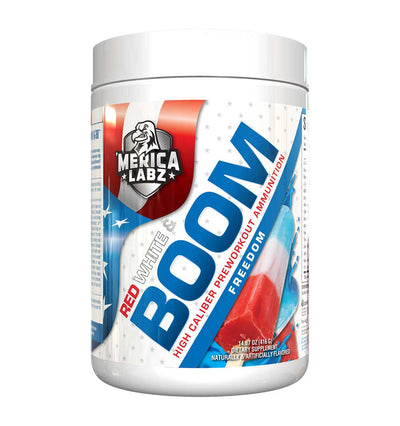
 Merica Labz | Patriot Koozie | 25 ServingsMerica Labz
- SuppVault Score
- 85/100
- Per serving
- $0.2
Key actives
Tested
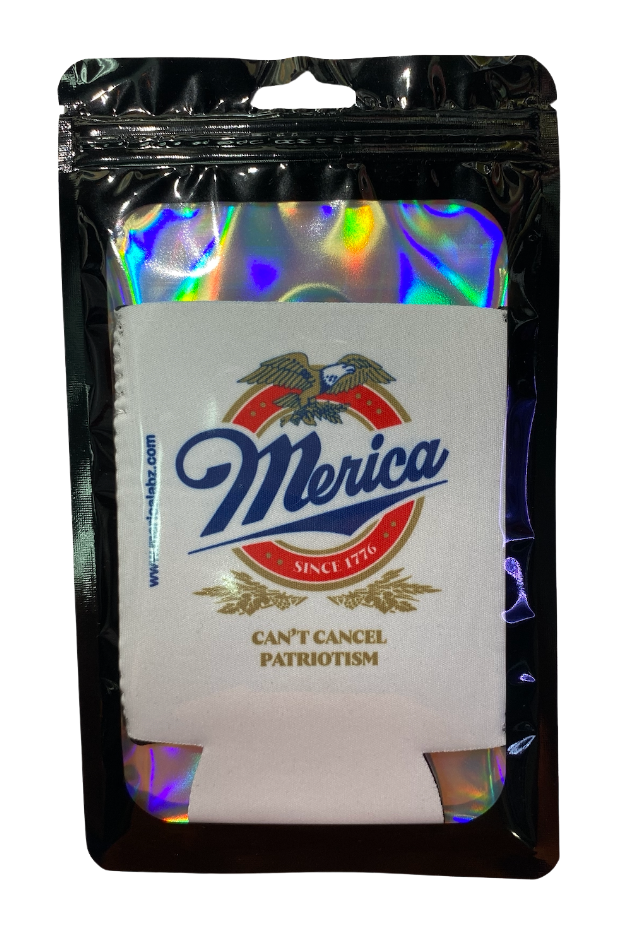
Merica Labz
25g whey protein in a real muscle-building serving
$5.00 $0.20/serving
Scored on what's in the tub, not the marketing.
The label is the formula. We score it either way.
SuppVault Summary
This is a straightforward whey-based protein formula built for recovery and daily protein consistency. With 25g protein per serving, it lands directly in the clinically supported range for stimulating muscle protein synthesis and supporting lean mass retention.
| Ingredient | Amount Per Serving | % Daily Value |
|---|---|---|
| Protein | 25g | † |
† Daily Value (DV) not established for this ingredient.
Merica Labz publishes test results from independent third-party labs. Svpplements links to the manufacturer’s data — we don’t test products ourselves.
Discount applied automatically in cart.


Creatine and protein are one of the most evidence-based foundational stacks in sports nutrition. Creatine supports phosphocreatine replenishment for repeated high-intensity output, while the 25g protein serving supplies the amino acids needed for recovery and muscle protein synthesis after training.
Take creatine daily anytime; use this protein post-workout or whenever needed to hit daily protein intake.
Protein supports muscle repair, while carbohydrates help replenish glycogen depleted during hard training. Together they create a more complete post-workout recovery feeding, especially for high-volume lifters or athletes training multiple times per week.
Use together post-workout, especially after long or glycogen-depleting sessions.
This protein formula handles recovery and daily protein sufficiency, but it does not contain performance actives for training output. Pairing it with a quality pre-workout lets each product do its own job cleanly: one supports performance before training, the other supports recovery after.
Take the pre-workout 20-30 minutes before training and this protein after training or later in the day.
Protein powders are excellent for recovery, but they do not replace broader micronutrient and phytonutrient intake. A greens product can complement this formula by supporting overall dietary quality while this product stays focused on muscle protein synthesis and recovery.
Take greens anytime during the day; use this protein when you need a 25g protein feeding.
Both appear aimed at users wanting a straightforward whey protein option for daily recovery.
An isolate-based formula may be better for lower lactose and a cleaner macro profile.
A well-known isolate can offer broader category reputation and digestion appeal for sensitive users.
This formula keeps the pitch simple with a clinically relevant 25g protein serving.
Side-by-side against the closest competitors. Score reflects clinical dosing, transparency, and testing.
Merica Labz | Patriot Koozie | 25 ServingsMerica Labz
 Merica Labz | Patriot Whey | 25 ServingsMerica Labz
Both appear aimed at users wanting a straightforward whey protein option for daily recovery.
Compare side-by-side → Alpha Lion | Protein ISO | 28 ServingsAlpha Lion
An isolate-based formula may be better for lower lactose and a cleaner macro profile.
Compare side-by-side → Axe & Sledge | A&S Farm Fed Protein | 28 ServingsAxe & Sledge
A well-known isolate can offer broader category reputation and digestion appeal for sensitive users.
Compare side-by-side →Comparison data combines live storefront pricing with our SuppVault analysis. Competitor scores reflect public-label data; manufacturer-side changes may not be reflected in real time.
Despite the product name suggesting merchandise, the provided formula data clearly points to a protein powder-style product built around one central performance objective: deliver a full muscle-building dose of protein in a format people will actually use consistently. At 25 grams of protein per serving, this formula sits squarely inside the clinically supported 20-30 gram range associated with robust stimulation of muscle protein synthesis. That matters, because protein is only useful when it is dosed high enough to deliver the essential amino acids needed to trigger the mTOR pathway, the primary cellular signal for building and repairing muscle tissue after training.
The active profile here is straightforward but effective. Protein is the star, and in this case that simplicity is a strength. Research on protein supplementation is among the strongest in all of sports nutrition. The knowledge base provided notes at least 17 meta-analyses and 22 clinical trials involving more than 19,000 participants for whey protein alone, with strong support for muscle protein synthesis and additional utility for blood glucose management. In practical terms, 25 grams is not a decorative amount. It is a real serving that supports post-training recovery, helps preserve lean mass during calorie deficits, and makes it easier to distribute protein intelligently across the day.
The base ingredient list suggests whey protein concentrate as the primary source. That typically means naturally occurring essential amino acids and branched-chain amino acids, with especially meaningful leucine content relative to many lower-quality protein sources. Leucine is the amino acid most closely associated with flipping the switch on muscle protein synthesis, so a whey-based protein at this serving size is inherently well-positioned for post-workout recovery and between-meal support.
The supporting ingredients are there for texture, mixability, and user experience rather than physiological stimulation. Cocoa powder, flavoring agents, xanthan gum, sunflower lecithin, sucralose, marshmallow inclusions, and chocolate chip components tell you this formula is designed to taste like a functional dessert-style protein rather than a stripped-down isolate. That has an important real-world implication: compliance. The best protein powder is the one you use every day, and formulas that are enjoyable enough to replace cravings or improve consistency often outperform technically cleaner but less satisfying products in the real world.
From a synergy standpoint, protein is the recovery foundation that pairs especially well with resistance training and with other staple supplements like creatine and carbohydrates. Protein provides the amino acid building blocks; carbohydrates can support glycogen replenishment and insulin-mediated nutrient delivery after training; creatine complements that by improving phosphocreatine availability for future high-intensity performance. Even on its own, though, 25 grams of protein is enough to make this a legitimate recovery tool.
Transparency is mixed but acceptable based on the data provided. There is no proprietary blend, which is a major plus. The main limitation is that only total protein is verified, while the exact full macronutrient panel and amino acid breakdown are not provided here. Still, the disclosed protein dose is the number that matters most for the category, and at 25 grams it clears the bar decisively.
What should you expect? On day one, the biggest benefit is convenience: an easy, palatable serving that helps close the gap between where your protein intake is and where it should be. Over 2-4 weeks of consistent use, the payoff is better daily protein consistency, improved recovery between sessions, and stronger support for lean mass retention or growth depending on your overall calories and training plan. This is not a flashy formula. It is a core nutrition product dosed where it counts.
A 25 gram protein feeding is squarely within the dose range repeatedly shown to maximize post-meal muscle protein synthesis in many adults. Whey is rapidly digested and delivers a dense essential amino acid profile that activates mTORC1 signaling, the central nutrient-sensing pathway tied to muscle repair and remodeling. This matters most after resistance training, when skeletal muscle is sensitized to amino acid availability. Over time, repeatedly hitting adequate per-meal protein thresholds improves the probability of maintaining or gaining lean mass.
Leucine is the primary branched-chain amino acid responsible for initiating anabolic signaling through mTOR and downstream effectors such as p70S6K. The listed 2.571 grams of leucine is highly relevant because many evidence-based discussions of protein quality center on whether a serving provides enough leucine to cross the anabolic threshold. In practice, this helps explain why whey protein performs so reliably in post-exercise nutrition studies. Leucine is not sufficient alone for net tissue building, but it is the trigger that makes the full amino acid pool more useful.
Dietary protein does more than support myofibrillar repair after lifting. Amino acids supplied by whey also contribute to connective tissue turnover, enzyme synthesis, immune protein production, and broader nitrogen balance during caloric restriction or hard training phases. This is especially important for athletes dieting or training frequently, where recovery capacity can become limited by simple underfeeding. A practical protein supplement improves adherence to total daily intake, which is often the biggest determinant of success outside the gym.
Whey concentrate remains popular because it balances effectiveness, palatability, and cost better than many specialty proteins. Although it is less refined than isolate, it still provides a robust essential amino acid spectrum and strong recovery utility when the total protein dose is adequate. The tradeoff is that concentrate may retain more lactose and fat, which can matter for sensitive users. For many otherwise tolerant users, however, the difference is more about digestion preference than anabolic effectiveness.
Verified athletes can view NCAA, WADA, and high-school compliance status for this product.
* These statements have not been evaluated by the Food and Drug Administration. This product is not intended to diagnose, treat, cure, or prevent any disease. Consult your physician before use if you have a medical condition or take medications.
Drop your number and our team will instantly text you.
Our team is on it. Check your texts — real advice, real fast.
Secure sign in
Svpplements uses Shopify Customer Accounts for protected login, order history, and account data.